
Resilient Learning Environments
A Global Pathway to Safer Schools
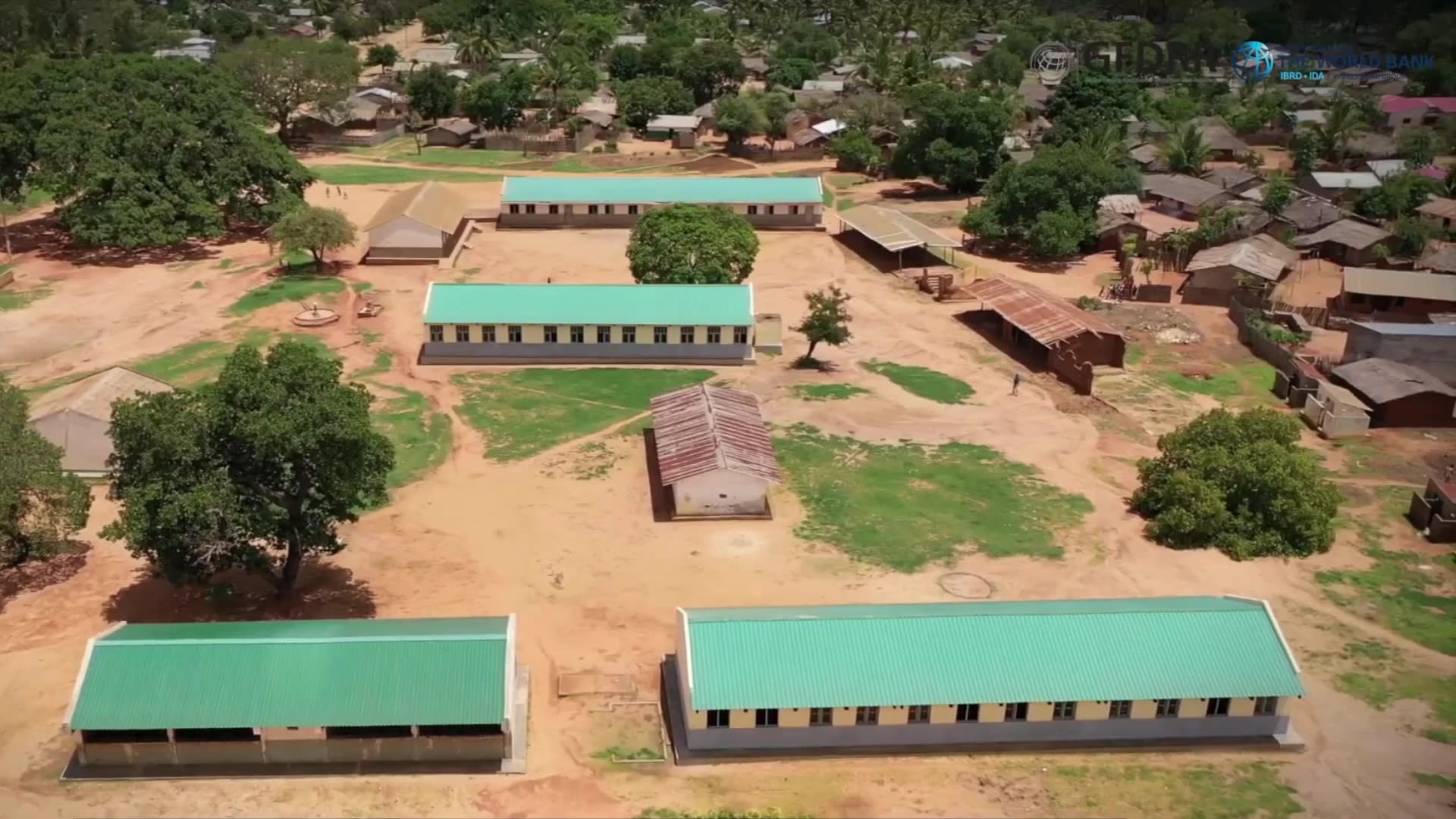

- The World Bank's Safer Schools initiative enhances the safety and resilience of educational infrastructure worldwide, contribution to the protection of 115 million students across over 40 countries from natural hazards and conflicts.
- The initiative employs a comprehensive strategy, integrating risk-informed planning, advancing policy reforms, fostering community engagement, and ensuring efficient implementation to build sustainable, disaster-resilient schools. Case studies demonstrate successful tailored interventions across diverse contexts, improving school infrastructure, disaster preparedness, and educational continuity.
- Collaborative partnerships and knowledge-driven innovations enable scalable, inclusive solutions that integrate disaster resilience into national education systems globally.
Meeting the Urgent Need
for Safer Schools
A Global Challenge

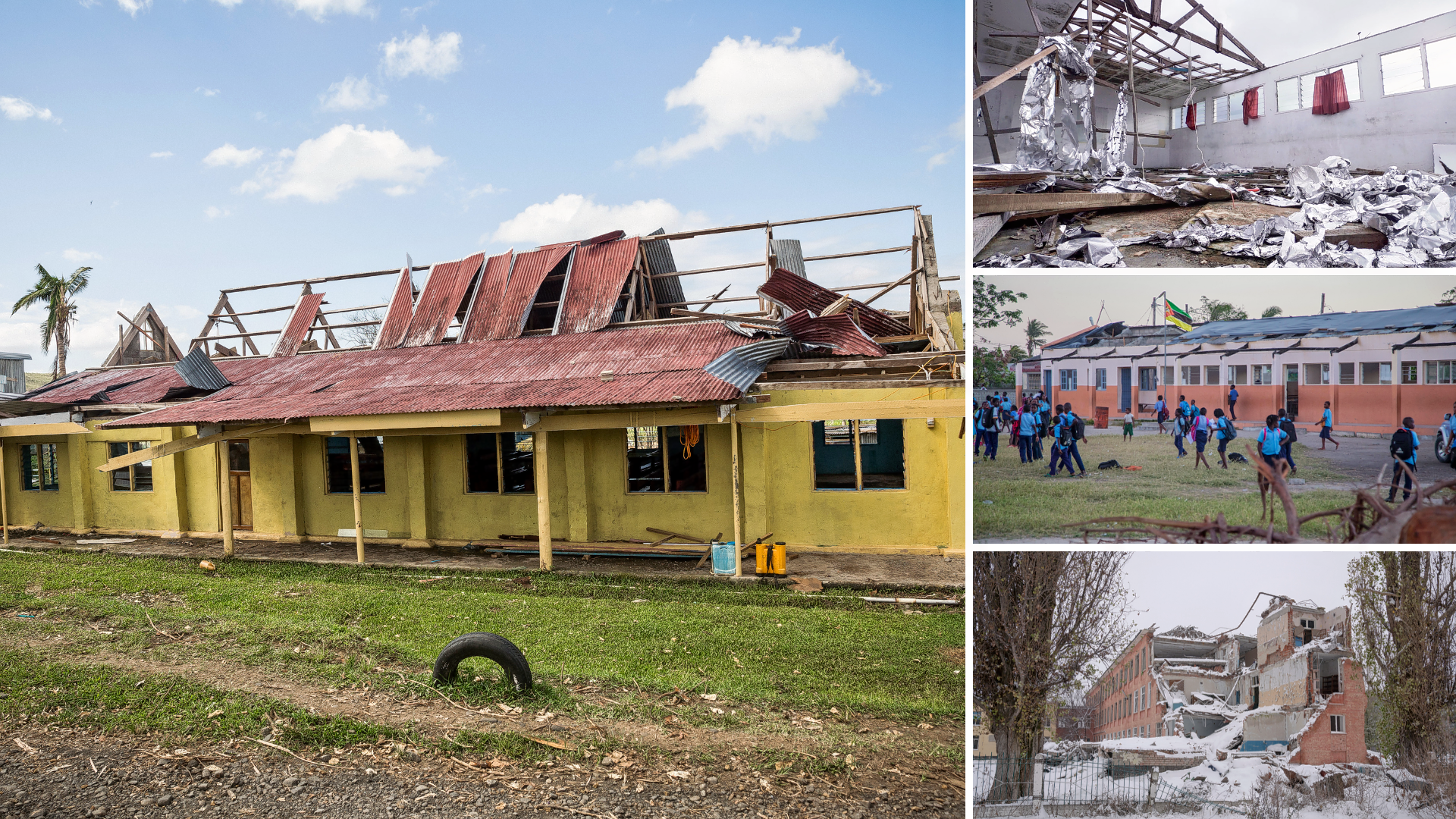



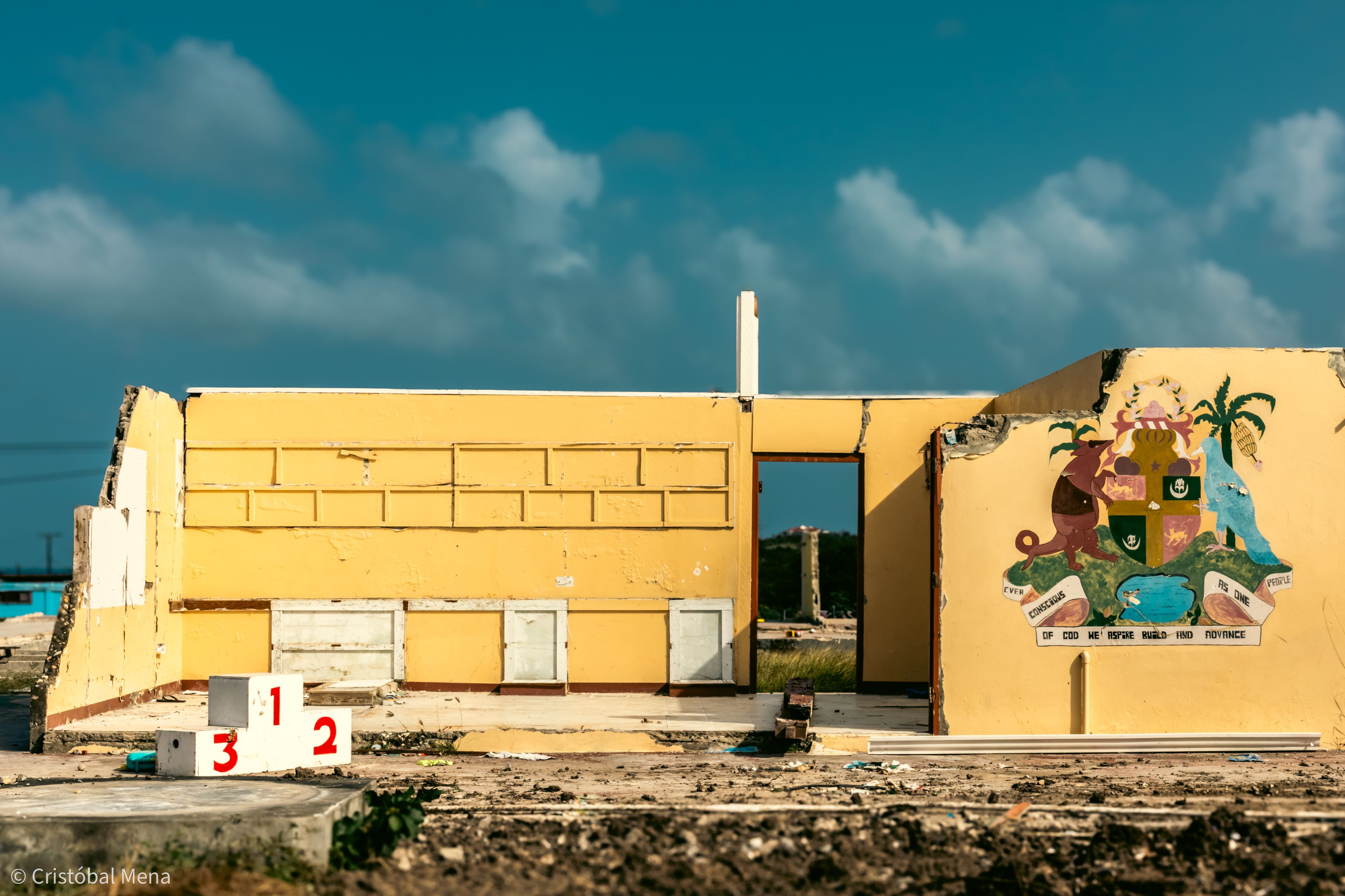

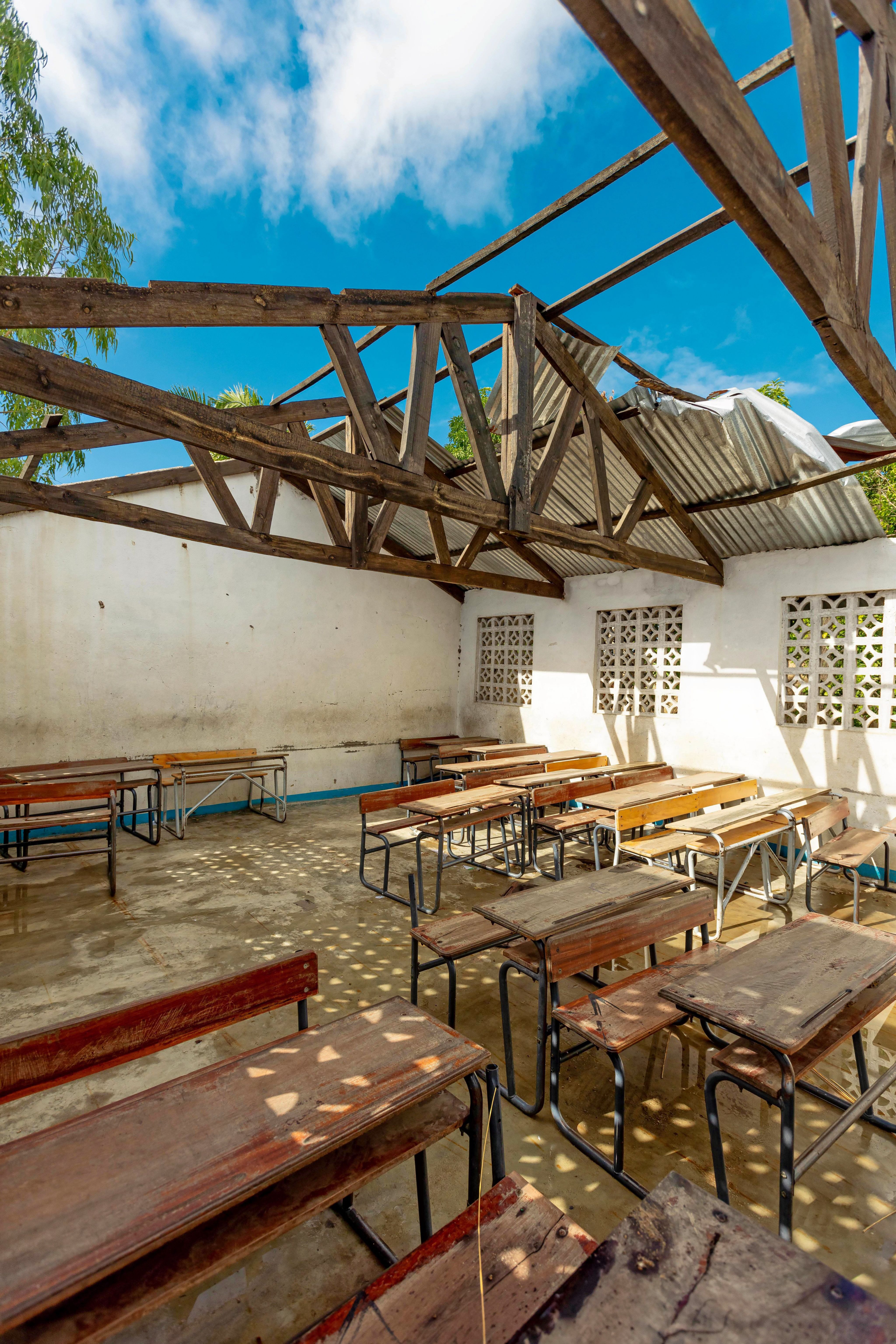

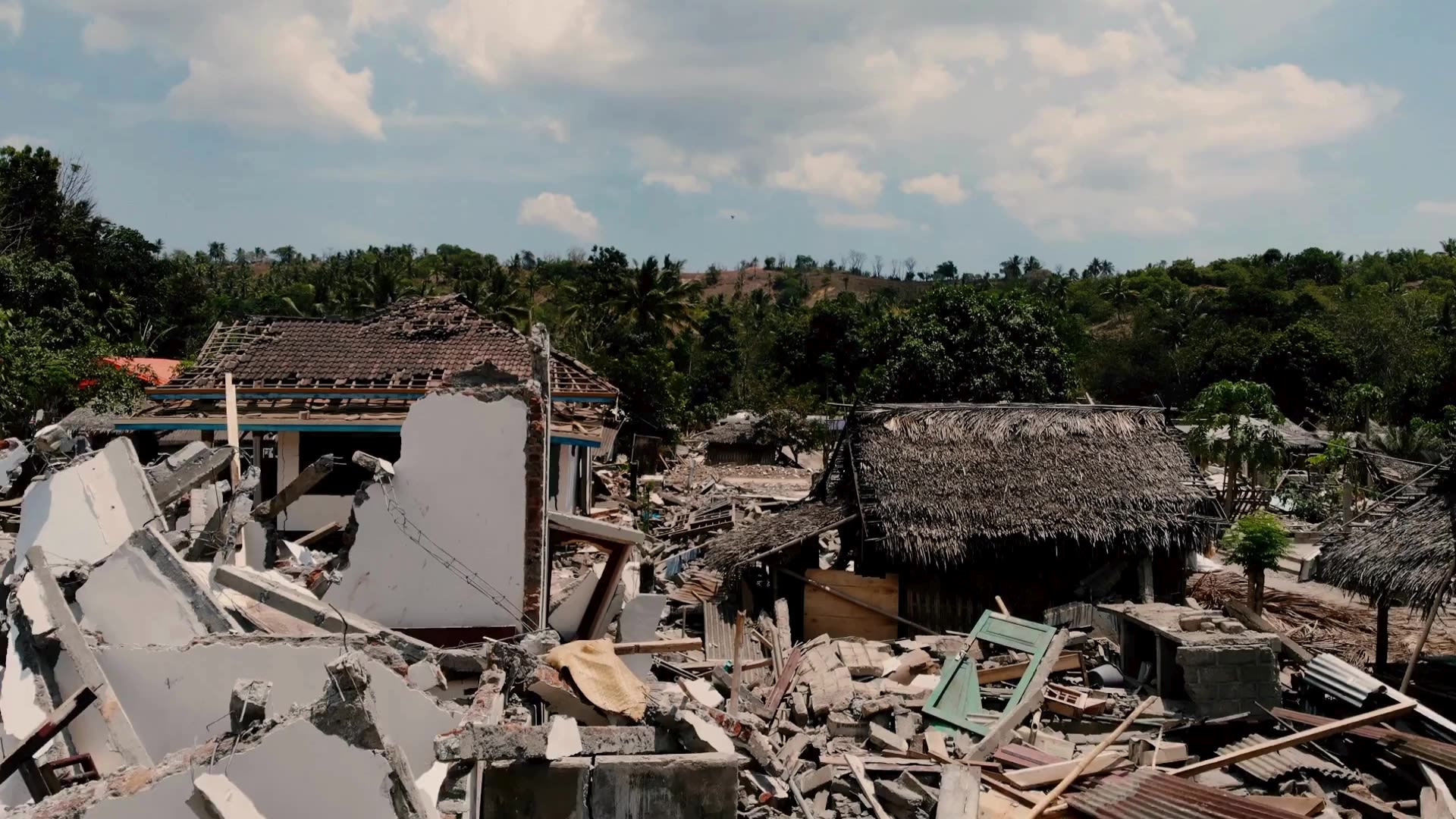
The integrity of educational infrastructure is key to societal prosperity, yet natural hazards pose a significant and recurring threat.
Disasters damage school buildings and disrupt the lives of students, teachers, and entire communities—often resulting in prolonged interruptions to educational services.
When these interruptions extend, the risk that children may be out of school for years and maybe never return increases, potentially delaying and affecting an entire generation and diminishing their prospects for long-term prosperity.
Disasters' Toll on Global Education
Globally, the education sector faces severe challenges, including the damage or destruction of thousands of schools annually. For example, the losses caused by tropical cyclones and earthquakes amount every year to more than $7 billion in economic damage and disrupt the education of 175 million children each year.
A Closer Look at Earthquake Risks
Data indicate that the major earthquakes over the past 50 years caused 99,000 deaths in schools worldwide and about $3 billion of direct losses per year, and, looking ahead, global forecast estimates in the future about 2,500 fatalities per year due to earthquakes.
Disaster Toll on Global Education
To better understand this challenge, the Global Library of School Infrastructure (GLOSI) provides quantitative insights into the impact of natural hazards on school facilities and their communities. By leveraging risk indicators that assess hazard, exposure, and vulnerability, GLOSI helps project the potential economic and human losses, informing strategies to safeguard educational continuity.

ANNUAL ECONOMIC DAMAGES IN THE EDUCATION SECTOR DUE TO EARTHQUAKES AND CYCLONES
$7
Billion
Total estimated monetary value of direct (e.g., replacement or repair costs of damaged school buildings and equipment) and indirect (e.g., loss of future earnings due to schooling disruption) losses in the education sector caused by earthquakes and cyclones each year.

NUMBER OF STUDENTS AFFECTED EVERY YEAR BY EARTHQUAKES AND CYCLONES
175
Million
Annual total number of students whose education is interrupted or compromised (e.g., due to school closure, damage, displacement, or psychological trauma) as a direct result of earthquakes and cyclones.

ANNUAL FORECAST OF FATALITIES IN SCHOOLS DUE TO EARTHQUAKES
2500
fatalities
per year
The global forecast estimates for the annual number of future deaths in schools due to earthquakes.


TOTAL FATALITIES IN SCHOOLS DUE TO MAJOR EARTHQUAKES IN THE LAST 50 YEARS
99,000
fatalities
in the last 50 years
The estimated total number of fatalities in schools worldwide caused by major earthquakes over the past 50 years.

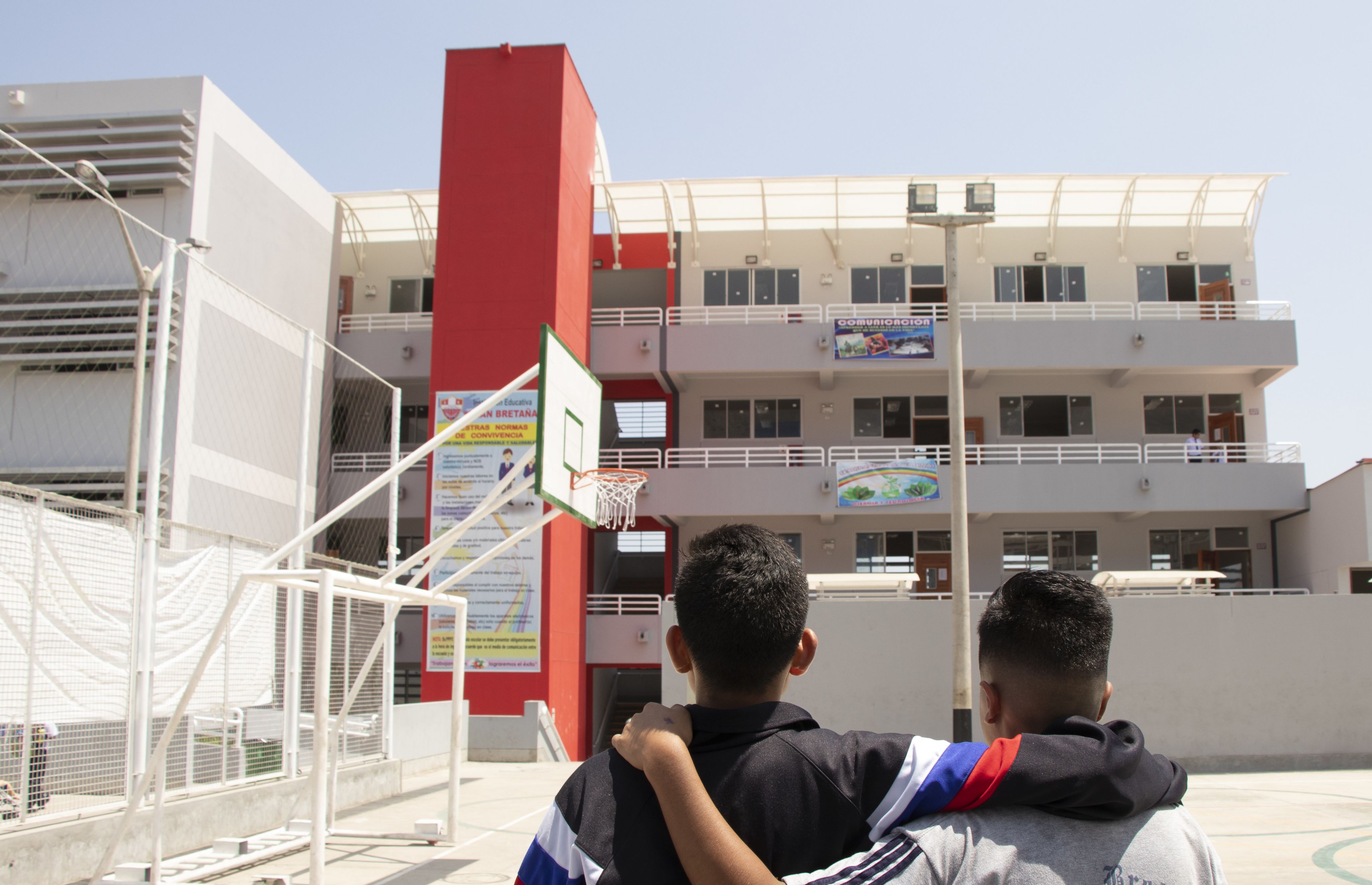

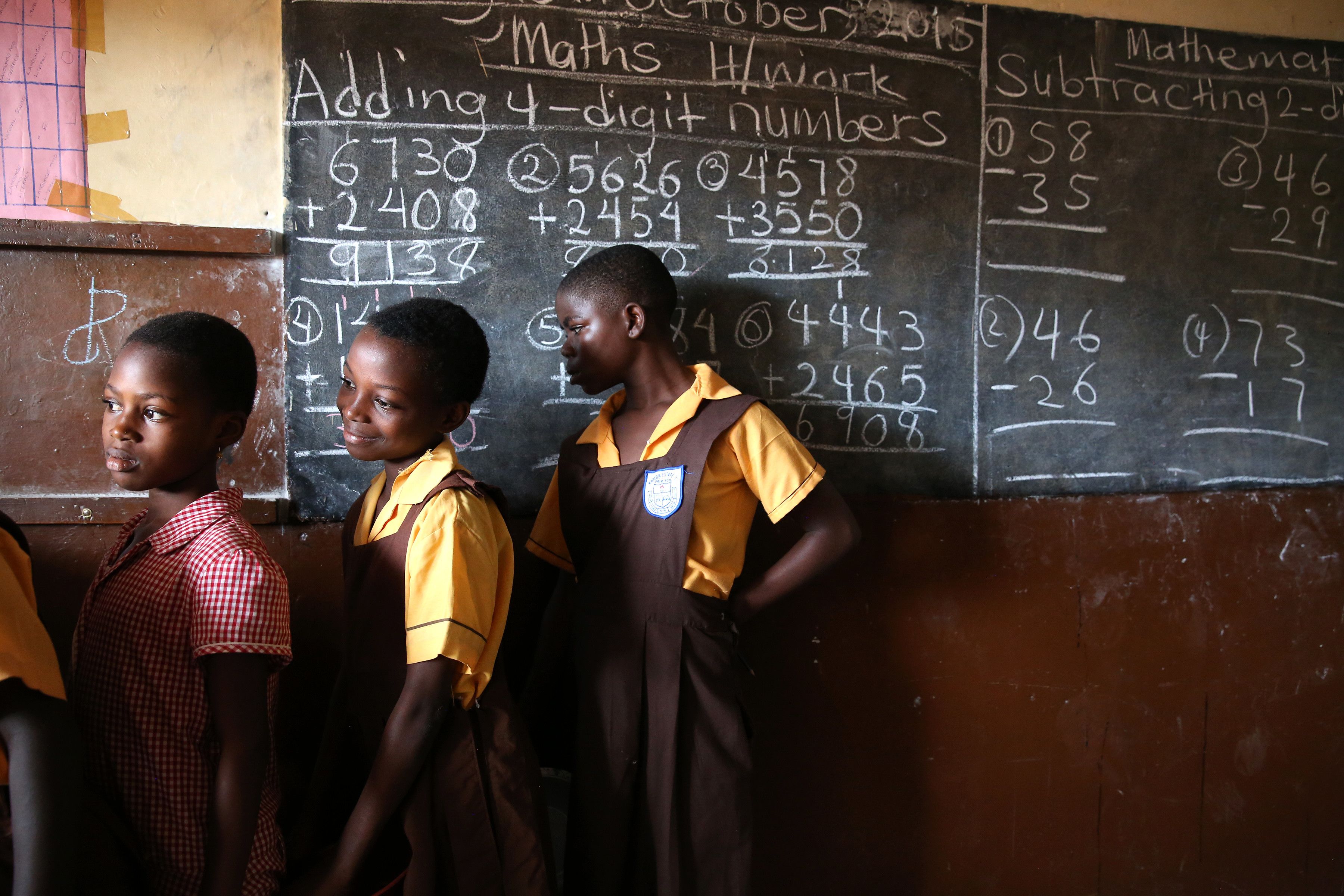
Beyond their primary function, schools often serve as safe havens during disasters or conflicts, offering vital support to affected communities.
As global challenges shift and intensify, adaptable schools can be powerful instruments for community recovery and resilience.
Addressing these vulnerabilities proactively ensures not only student safety but also fosters long-term socioeconomic stability, empowering communities to recover swiftly and thrive sustainably.
Knowledge-Driven Innovations for Scalable Solutions
A Comprehensive Approach

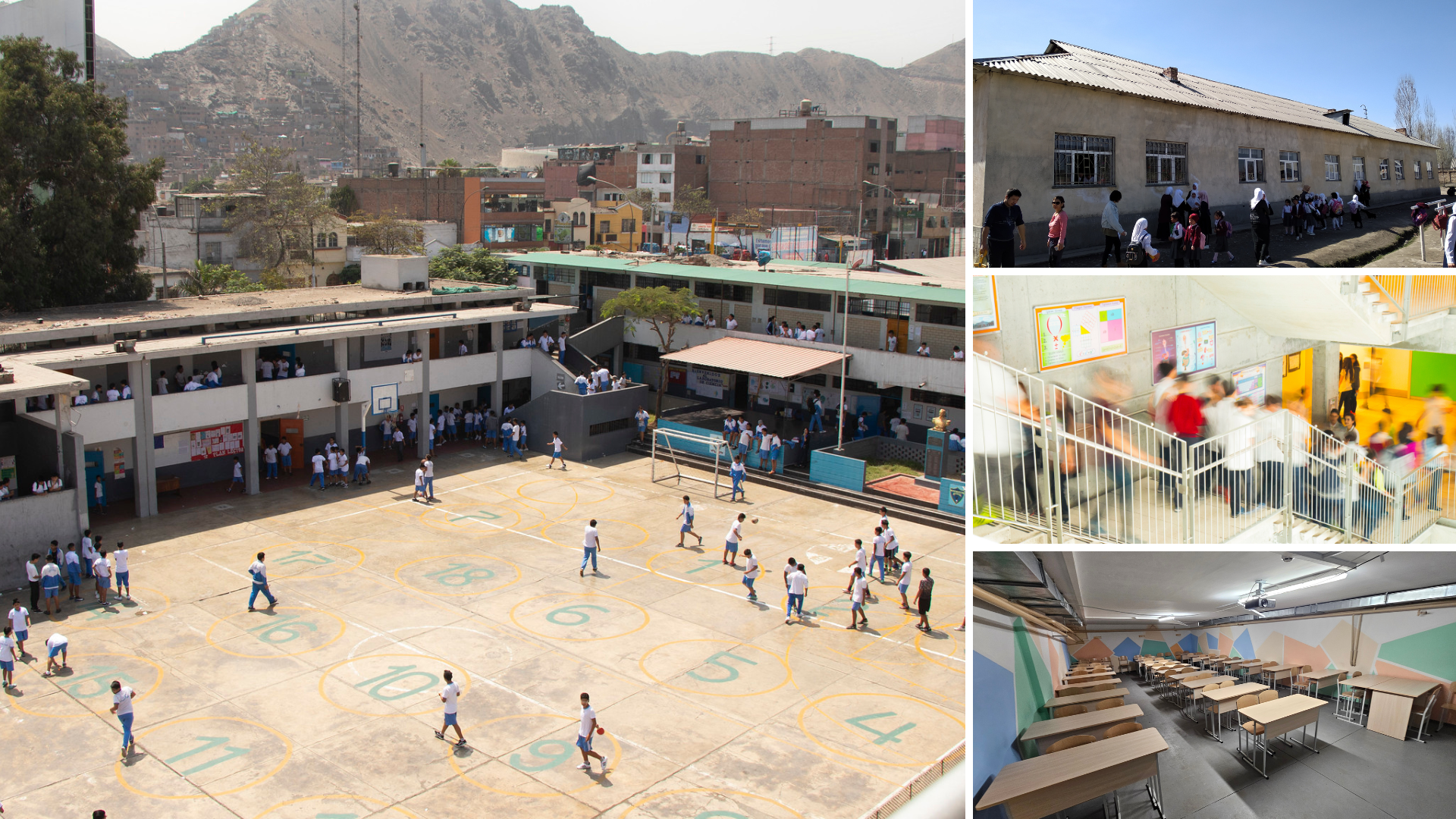
To tackle this pressing issue, the World Bank's global partnership, Global Facility for Disaster Reduction and Recovery (GFDRR), launched the safer schools initiative in 2014.
This initiative supports World Bank teams and client governments to make schools safer and more resilient, particularly in low- and middle-income countries where disaster risks are highest. By helping countries understand hazard and vulnerability risks and integrate practical mitigation measures into education environments, this approach strengthens the ability of schools to withstand shocks and continue serving students when disasters strike.
Through risk assessments, technical advice and support for policy and investment decisions, the initiative helps protect children, safeguard public investments, and keep learning on track, contributing to long-term human capital, resilience, and economic opportunity.

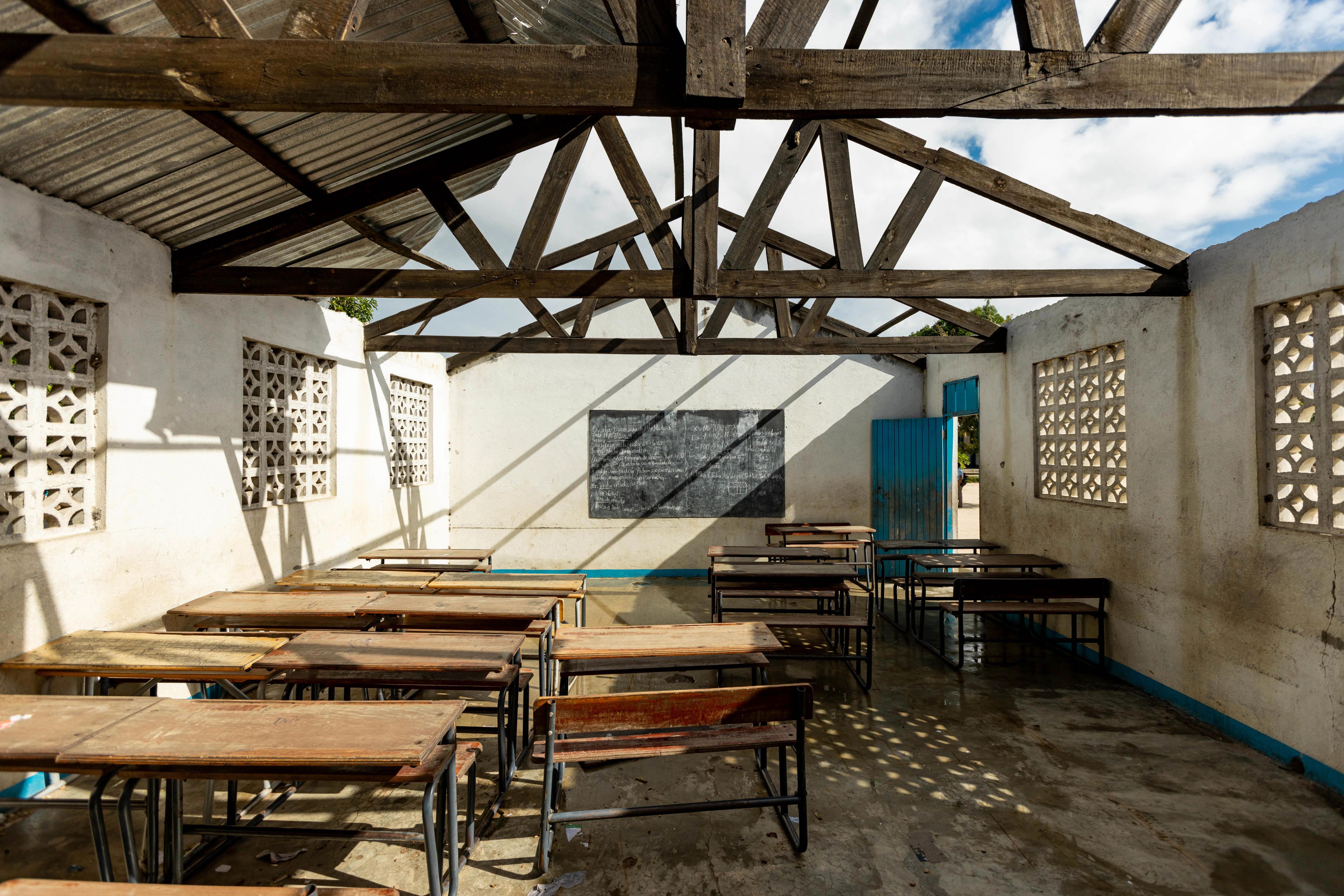

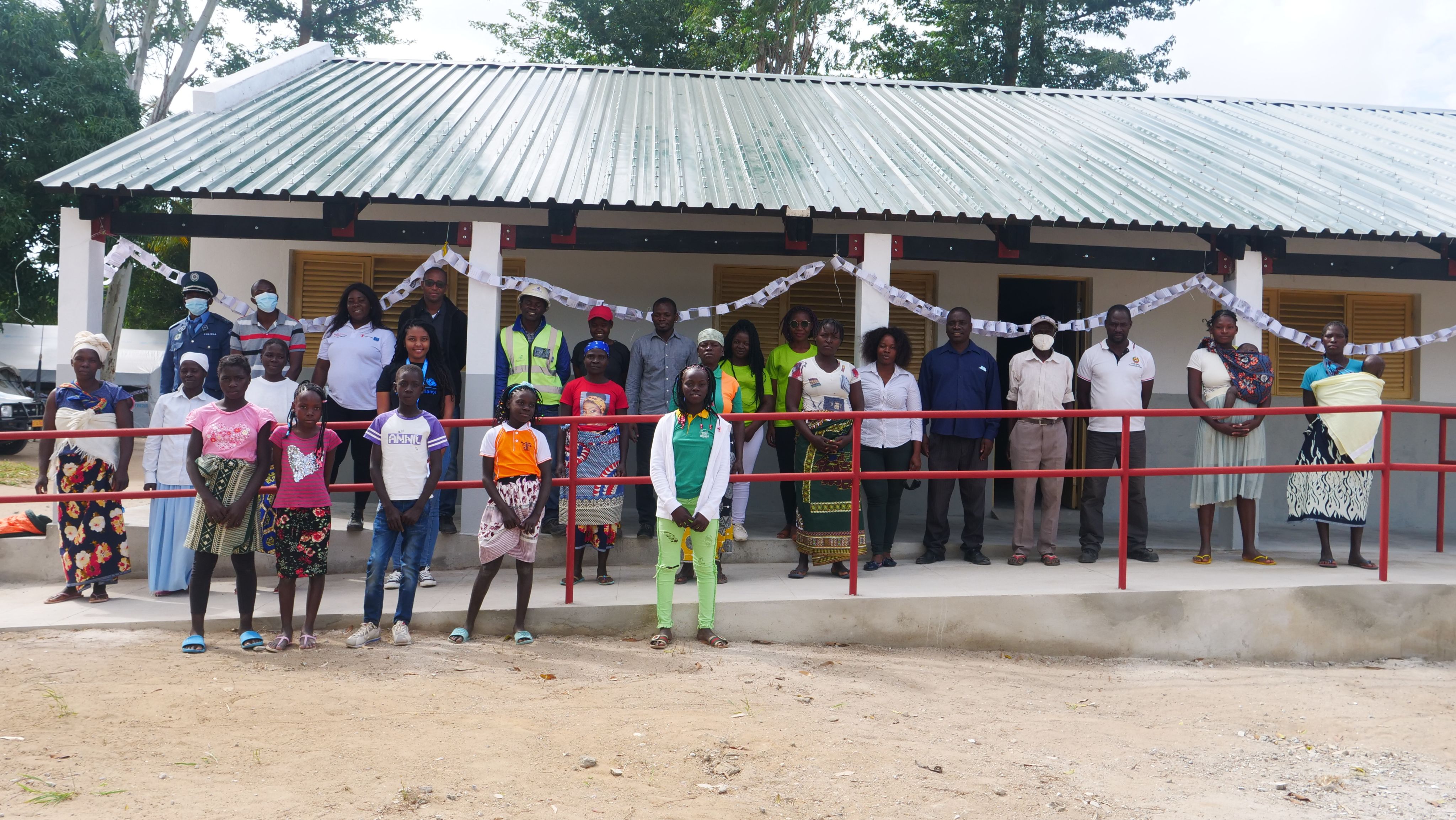
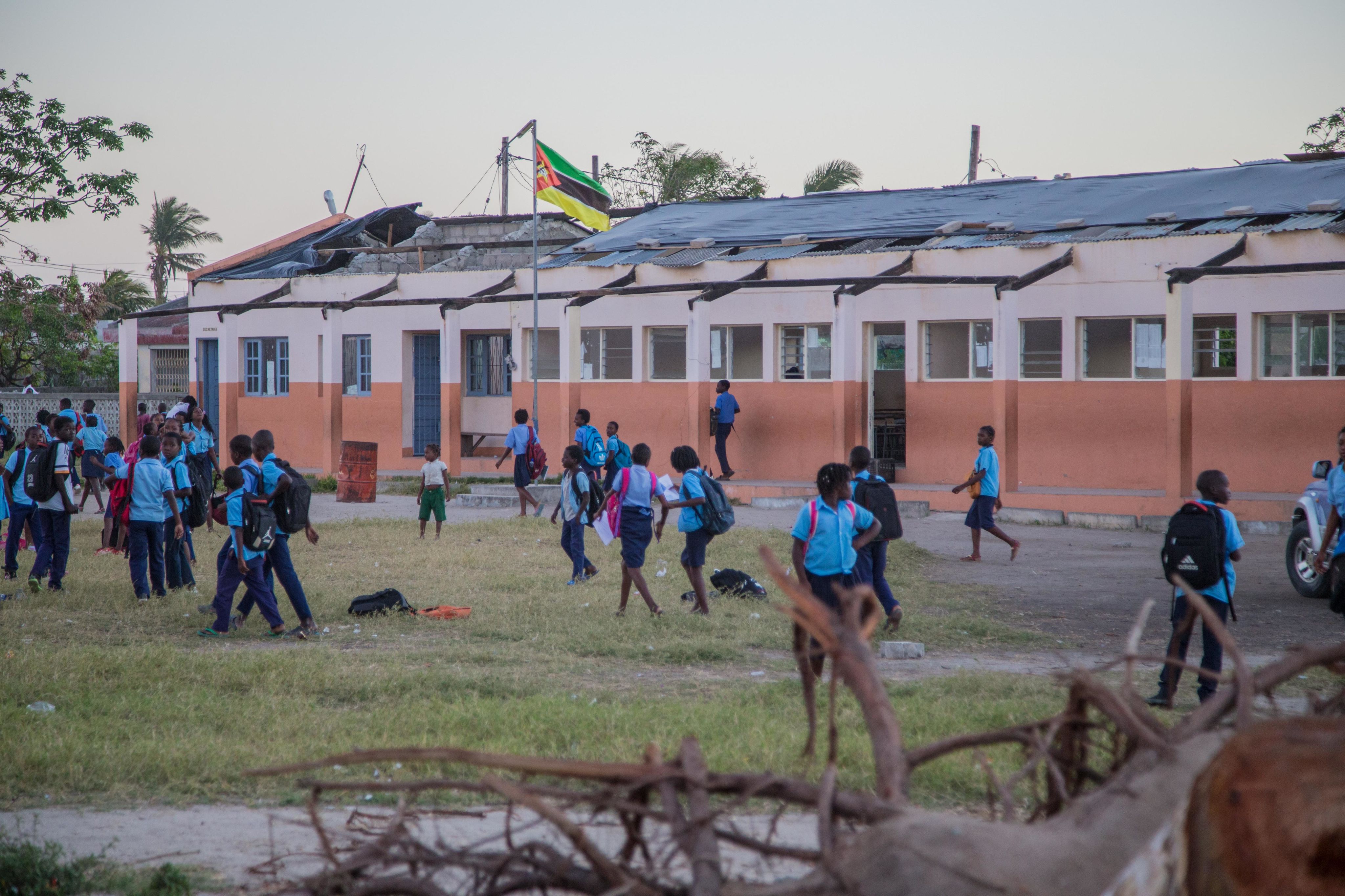
Integrating disaster risk reduction strategies into reconstruction, such as structurally anchoring new roofing to the main frame and using resilient building materials, reduces future hazard vulnerability, including wind damage, and ensure that schools remain open.
Safer Schools Thematic Area Progress
Since 2015
Over the past decade, GFDRR's safer schools initiative has supported World Bank operations in 43 countries, informing $4.4 billion in education environment investments, and helping safeguard learning for approximately 115 million students. By applying GFDRR’s risk-informed methodology these efforts have strengthened the resilience of school infrastructure and helped ensure education continues amid both disasters and conflicts.


Safer Schools has contributed to the protection of:
115
million students
The number of students benefiting from safer and more resilient physical learning environments as a result of risk informed investments plans.

Number of schools supported:
414
thousand schools
The number of school facilities offering a safer and more resilient physical learning environment as a result of risk-informed investment plans.

Amount of investments:
$4.4
billion of World Bank financing informed
The amount in USD of World Bank operations integrating school infrastructure resilience considerations.

Number of countries supported:
40+
countries
Number of countries benefitting from increased resilience in the education sector since 2014.
GFDRR employs a comprehensive three-pillar strategy to build resilience in schools.
This strategy encompasses risk-informed planning, which ensures that educational infrastructure is designed with potential hazards in mind; enhanced policy frameworks, which provide long-term, sustainable regulatory guidelines for implementing safety measures; and community engagement, which fosters local involvement and ownership, and efficient implementation to build sustainable, disaster-resilient schools.
GFDRR offers a comprehensive repository of knowledge on resilience and disaster risk management to support safer schools globally.
These resources include technical guides, case studies, and practical tools that enable countries to implement effective school safety measures. Knowledge tools such as the Roadmap for Safer and Resilient Schools (RSRS) and the Global Library of School Infrastructure (GLOSI) play a crucial role in supporting governments and task teams in designing strategies and investment plans to enhance the safety and resilience of school infrastructure at scale.



Safer Schools Select Publications
Demonstrable Impact
Regional Case Studies

Regional Case Studies
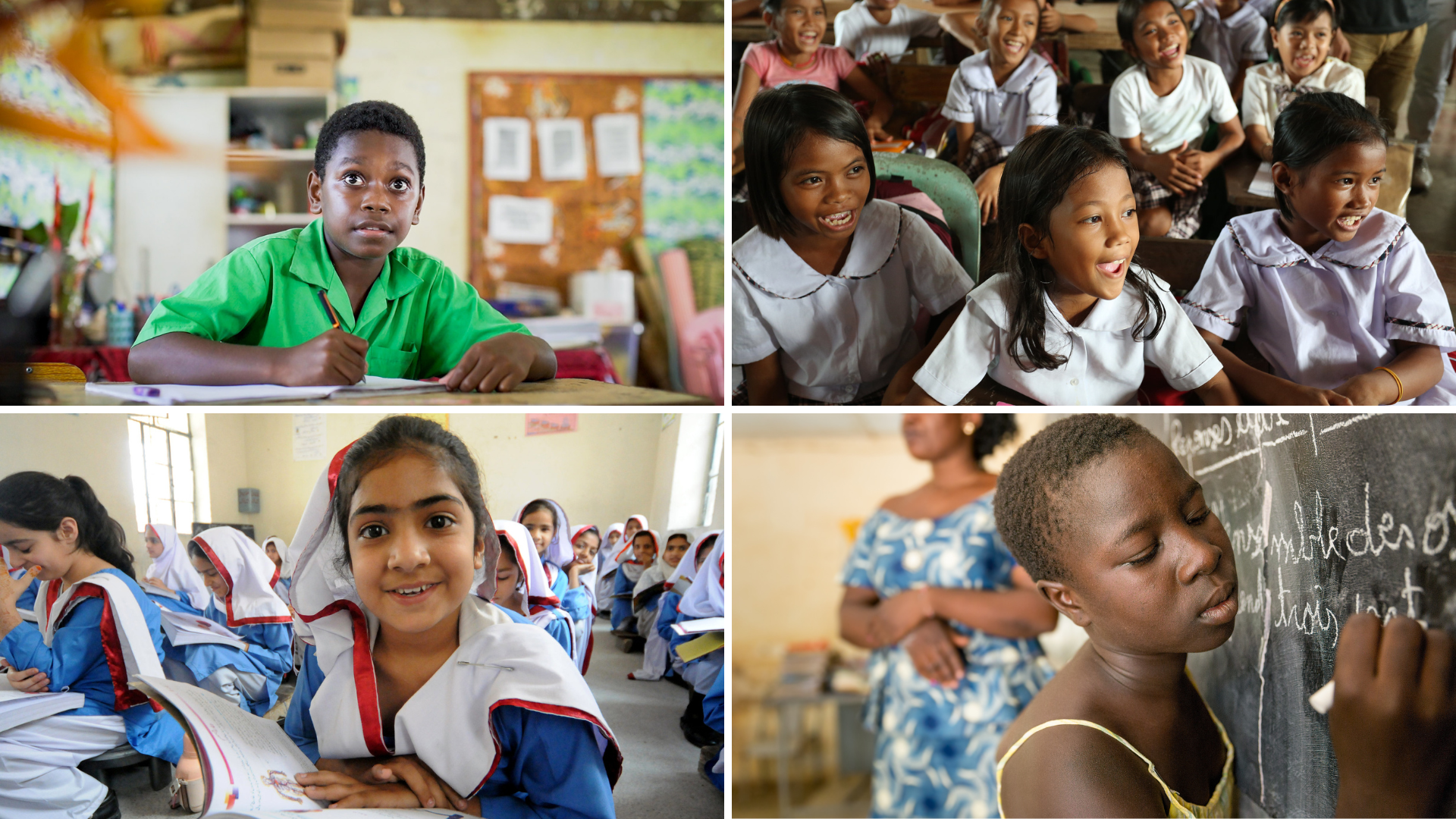
The regional case studies highlight the tangible impacts of GFDRR’s Safer Schools initiatives across diverse contexts.
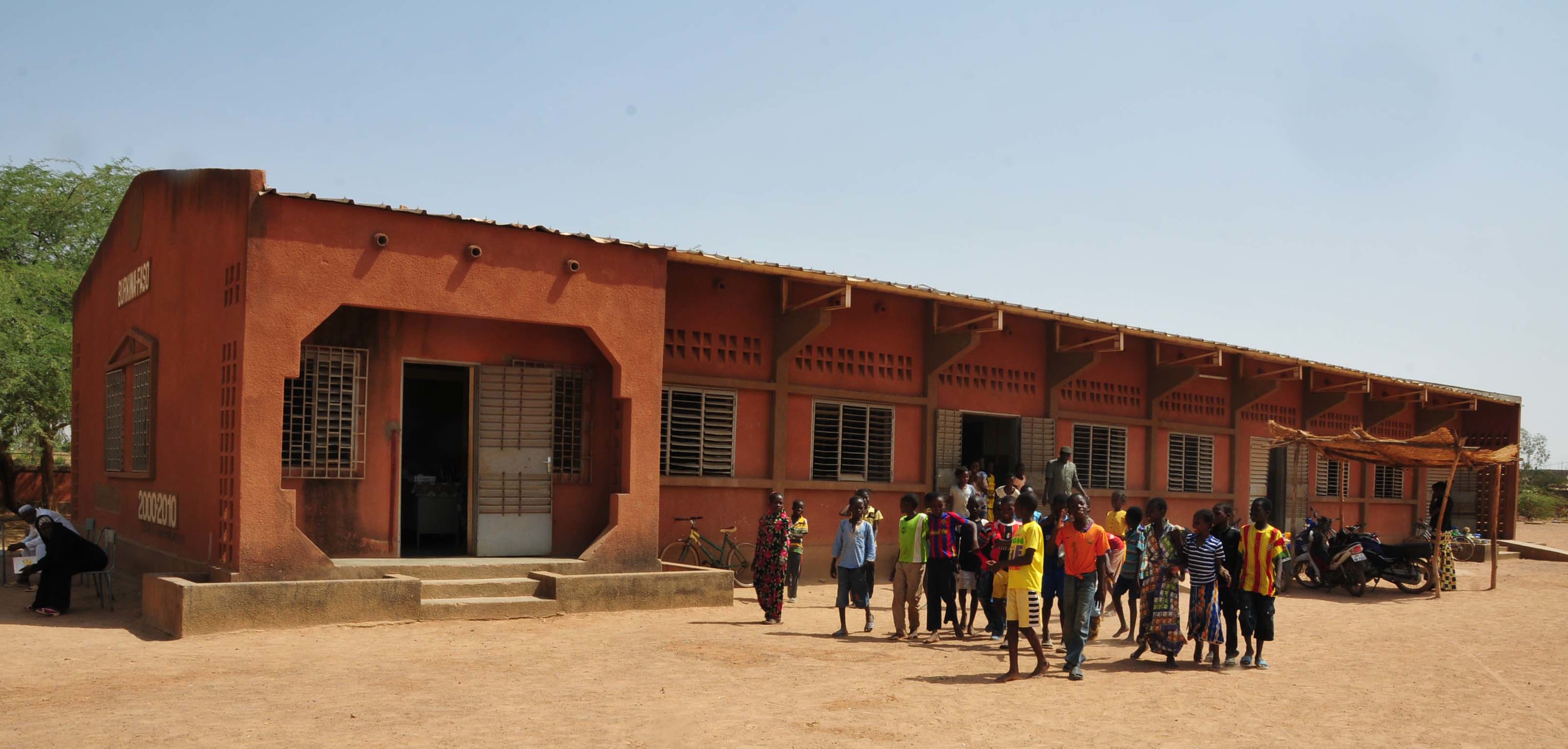
From conflict-affected Burkina Faso to cyclone-prone Comoros, earthquake-vulnerable Peru, and flood-impacted Cambodia, these examples demonstrate how tailored interventions have strengthened school infrastructure, enhanced disaster resilience, and improved educational continuity for millions of children.
By combining technical expertise, community engagement, and policy support, these projects have not only safeguarded learning environments but also fostered inclusive, sustainable, and scalable solutions that contribute to safer, more resilient education systems worldwide.

Expanding Safer Schools
Globally
Collaborative Partnerships

A resilient education future requires robust collaboration.
GFDRR's initiatives benefit from a diverse network of development partners, leveraging complementary resources to enhance the impact of school resilience projects. By working with institutions such as University College London, Bristol University, UN agencies—including UNICEF, UNDRR, and UNESCO—as well as GHI, GPE and specialized NGOs, these alliances consolidate efforts towards shared objectives.
The initiative also fosters cross-collaboration across the World Bank Group, particularly with the institution's Education Global Practice, to craft integrated solutions. And engagement with governments, civil society organizations, and various stakeholders ensures that programs are responsive to local needs and priorities.
Recognizing impactful collaborations, the "School Safety Prioritization in Kyrgyz Republic" project earned recognition. The Structural Engineers Association of Northern California (SEAONC) awarded it the Award of Merit in research and guidelines and the Honor Award for Community and Social Impact at the 2022 Excellence in Structural Engineering Awards. This highlights the project's success in creating an actively used framework for prioritizing school building retrofits and replacements.
These collaborative efforts aim to develop scalable, holistic solutions that enhance the quality and sustainability of educational systems, fostering positive impacts on community well-being through co-benefits such as improved water and sanitation, inclusive facilities and energy efficient buildings.
This partnership model enables GFDRR to maximize the reach and effectiveness of its safer schools initiatives and aligns with global efforts under the Sendai Framework for Disaster Risk Reduction and contributes to the Global Alliance for Disaster Risk Reduction and Resilience in the Education Sector (GADRRRES).
Our Technical Partners
|
|
|
|
|
|
|
|
|
|
|
|
















Credit: World Bank/Sarah Farhat
Credit: World Bank/Sarah Farhat
A Safer Future Begins
with Resilient Schools
The Path Forward


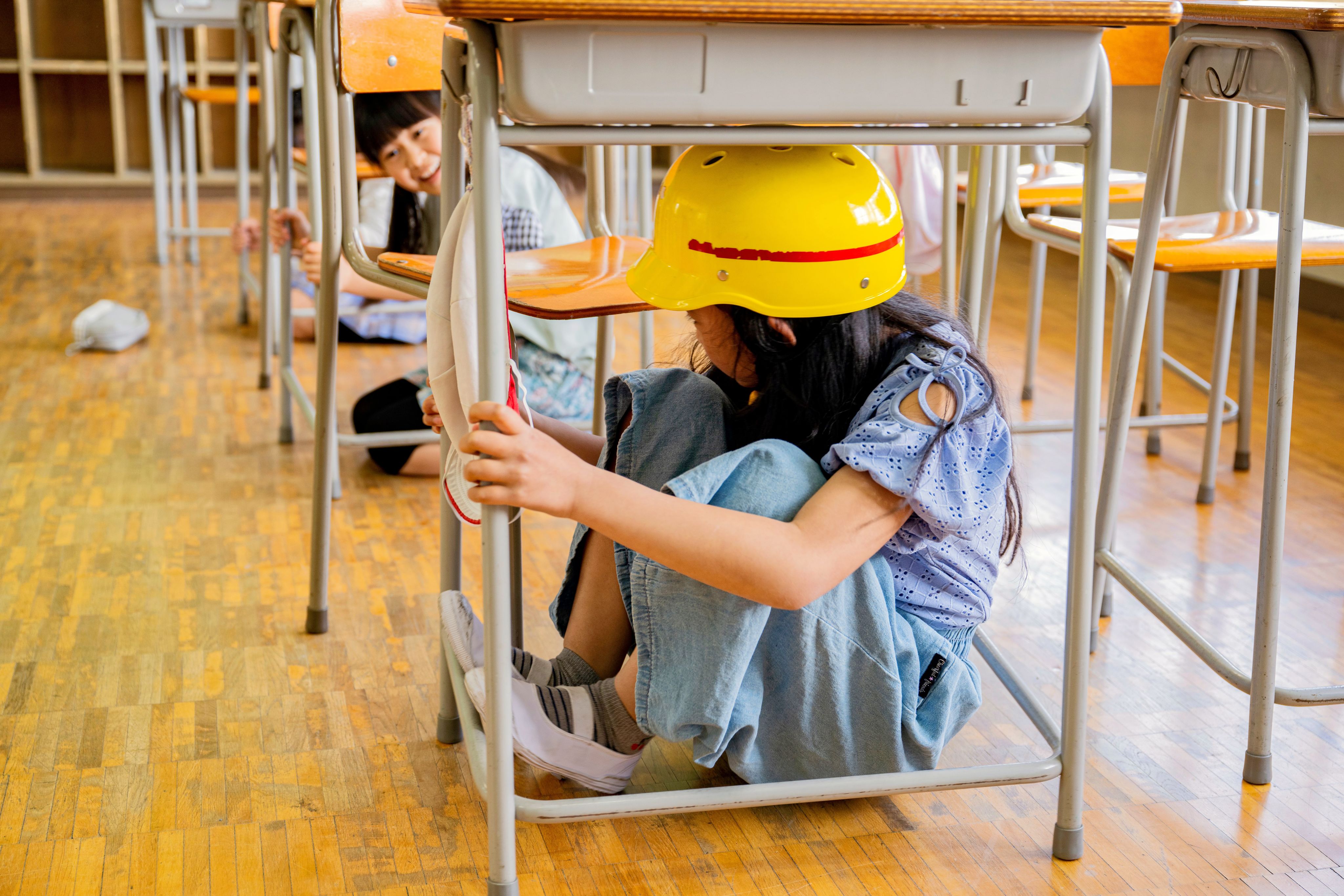

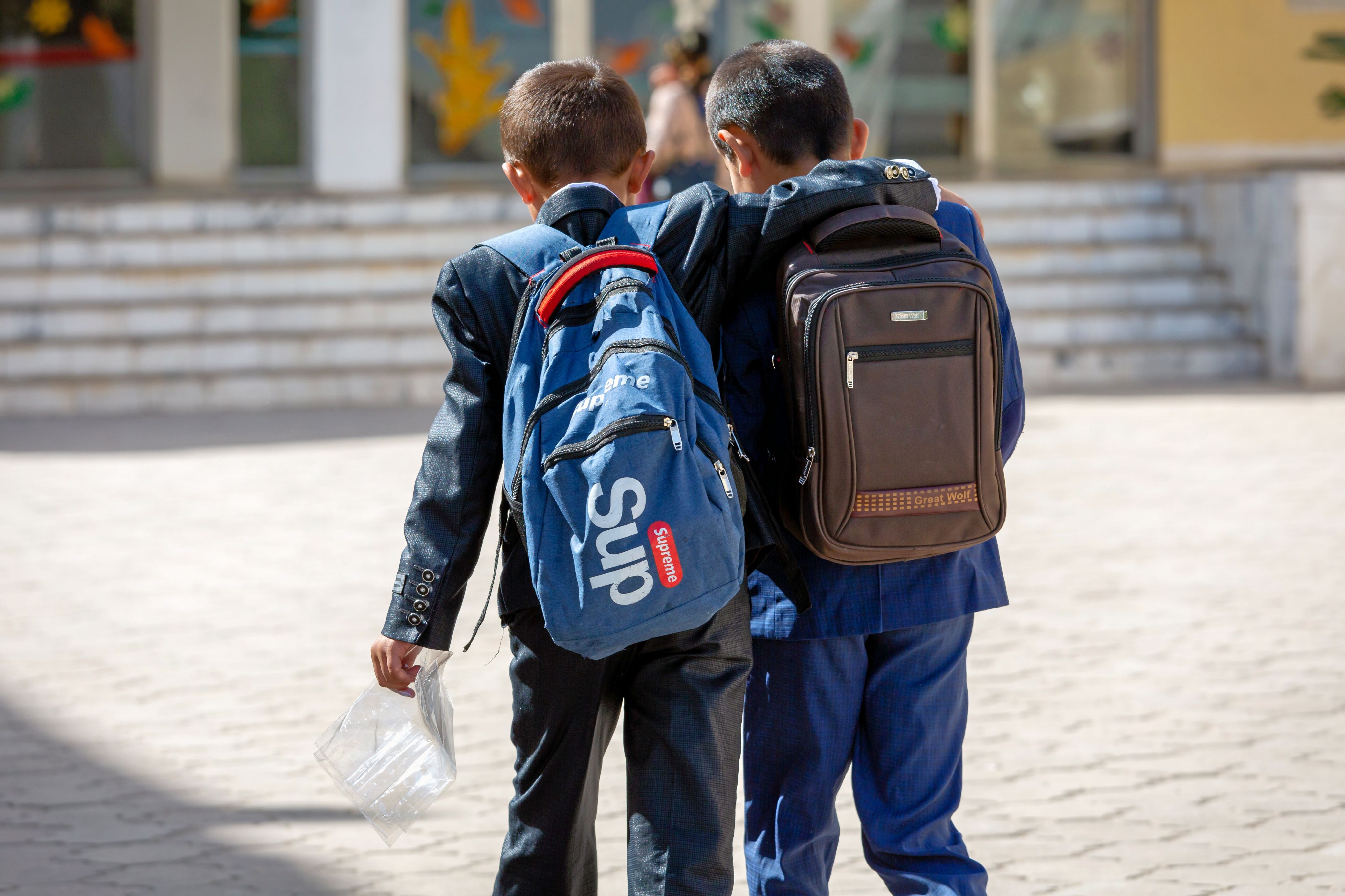

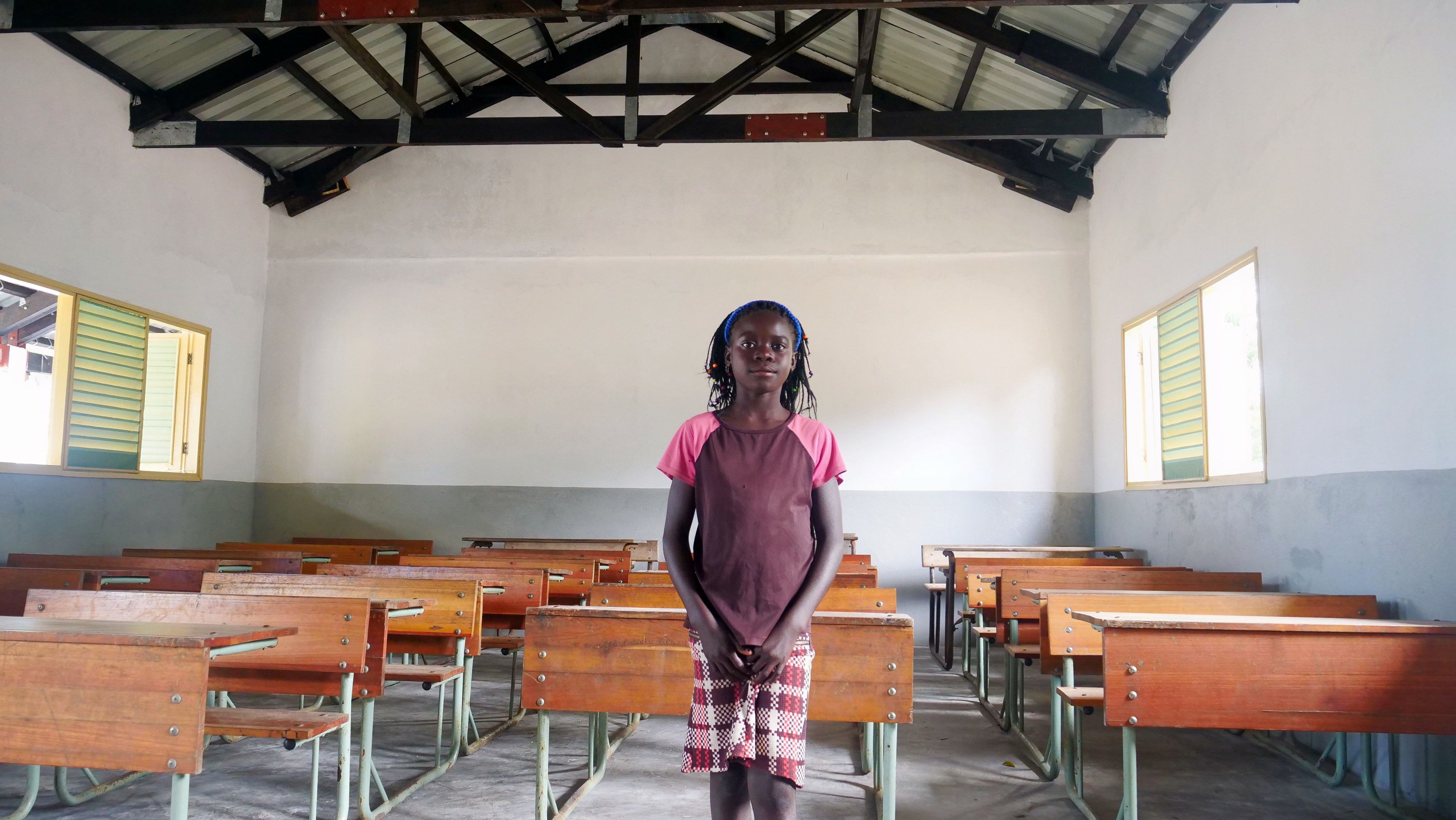

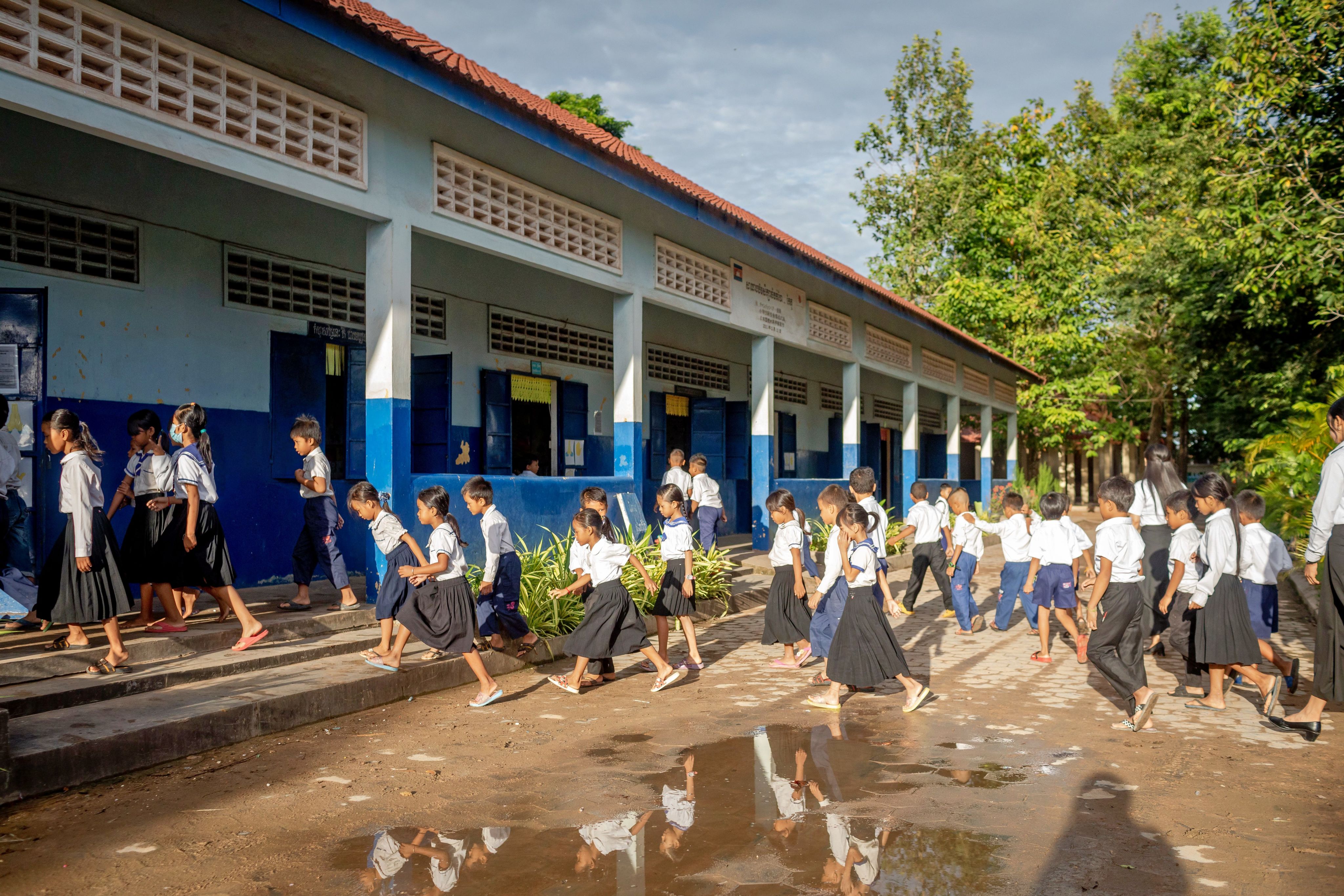
Building on successes to date, GFDRR is working to expand safer schools initiatives to reach more vulnerable communities worldwide.
This expansion focuses on bringing resilience to scale across a range of thematic areas, including school infrastructure. By leveraging lessons learned, GFDRR aims to enhance the impact and sustainability of future interventions.
The path forward includes continued investment in knowledge production and dissemination, capacity building for local stakeholders, and advocacy for policy reforms that promote school resilience.
Through these efforts, GFDRR seeks to catalyze transformative change in how countries approach school infrastructure safety and resilience. By leveraging lessons learned from country-specific implementations, GFDRR aims to enhance the impact and sustainability of future interventions, integrating disaster resilience into national development agendas.
Investing in disaster-resilient school infrastructure is essential for safeguarding the future of education and building resilient communities.
Building on past successes, GFDRR is expanding its safer schools programs to reach vulnerable communities worldwide, focusing on scaling resilience across thematic areas like school infrastructure.
As climate change increases disaster risks globally, the importance of resilient school infrastructure grows, ensuring every child has access to safe learning environments.
Through collaboration and innovation, education can be transformed by building resilient schools that protect future generations, fulfilling the promise of education even in the face of disasters. Together, these efforts contribute to sustainable development and disaster risk reduction, safeguarding children's right to education.
Strategic Horizons: Smart, Fast, and Inclusive Scaling.
Building on a foundation of proven success, GFDRR is expanding safer schools initiatives to reach more vulnerable communities globally. Existing data and methodologies demonstrate effective strategies for protecting educational infrastructure. The next phase prioritizes multi-hazard preparedness and the integration of new technologies, ensuring schools are equipped to withstand future shocks. The primary objective remains achieving resilience at scale with durable, measurable results.
To achieve this, the safer schools initiative is fostering a virtuous cycle of scaling and continuous learning: increased delivery generates evidence that refines risk and delivery models, enabling a broader reach each year. The program is expanding into new regions while broadening its multi-hazard portfolio to ensure investments are climate-smart and future-ready.
The focus has moved beyond individual structures to encompass entire systems and Physical Learning Environments (PLEs), linking physical safety with inclusive, green, healthy, and teaching-conducive design. Protecting buildings ensures the safety of children , which in turn protects the long-term prosperity of communities. Modern infrastructure is increasingly paired with preparedness education to ensure resilience is both practiced and defined.
A Catalyst for Broader Development Outcomes
By embedding resilience into systems, skills, and markets, this work aligns with the World Bank’s focus on jobs-rich, inclusive growth. This approach transforms safer schools into a driver for wider socioeconomic stability:
- Resilience Creates Work: Retrofitting and maintenance programs generate steady, local employment for small and medium-sized enterprises (SMEs) and contractors, promoting growth where it is most needed.
- Skills for the Future: Local partnerships certify resilience-focused skills, boosting the employability of youth and women across multiple sectors.
- Dual-Purpose Communities: Safer schools protect learning while serving as safe havens and hubs during crises, maintaining educational continuity and supporting local economies.
The Bottom Line: Safer schools are more than just stronger buildings; they represent a strategic investment in children, communities, and the future of work. In collaboration with partners across the World Bank and beyond, GFDRR is positioned to scale effective solutions, ensuring every child has a safe place to learn and every community possesses the skills to maintain that resilience.

Credit: World Bank
Credit: World Bank

Credit: GPE/World Bank
Credit: GPE/World Bank
Credit: World Bank
Credit: World Bank

Credit: World Bank
Credit: World Bank
Recent Safer Schools Updates

Credit: gorkhe1980 via Shutterstock
Credit: gorkhe1980 via Shutterstock
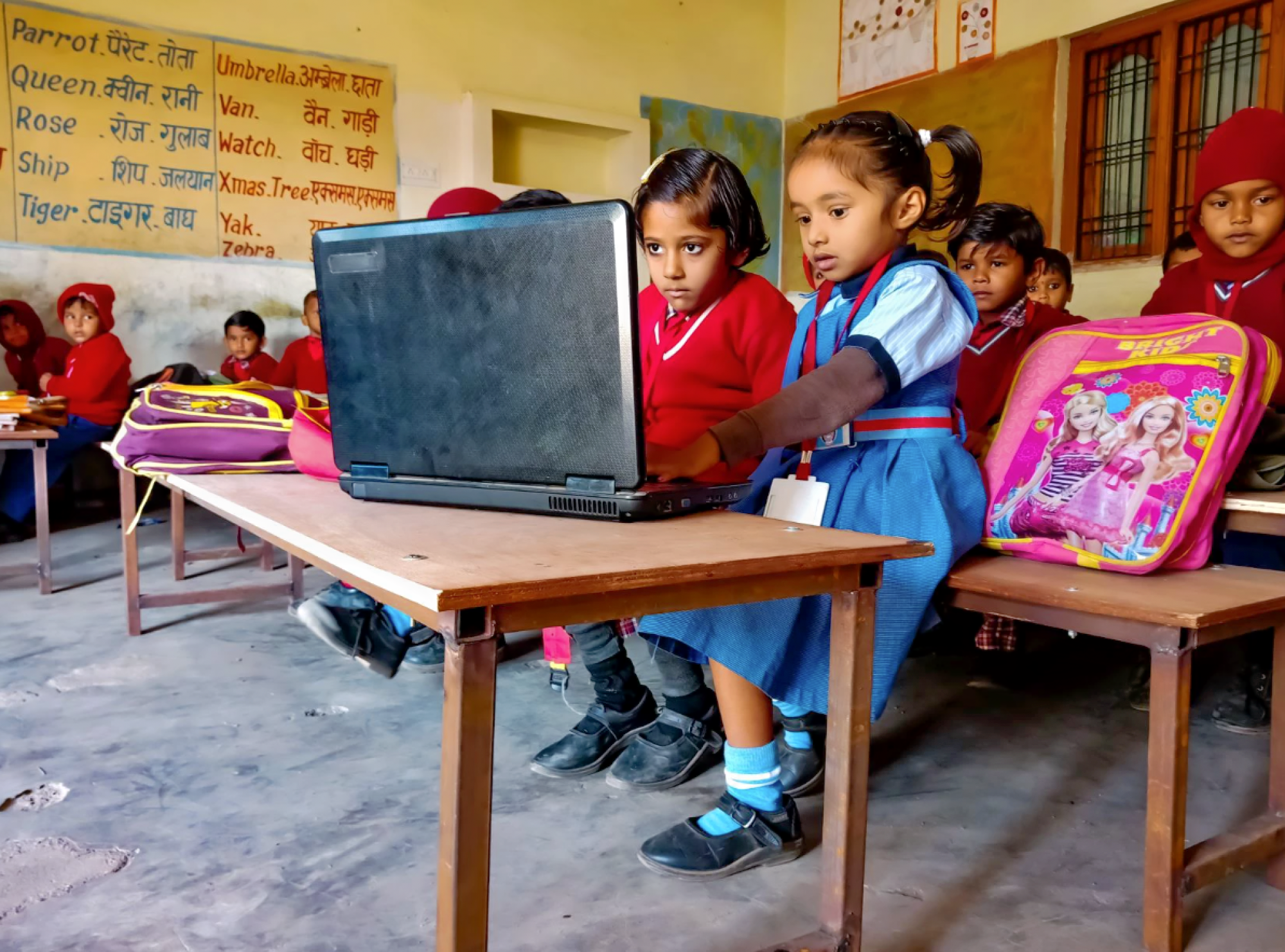
The World Bank and GFDRR supported Nagaland, India in developing a long-term strategy and action plan to upgrade school infrastructure, making it accessible and resilient to multiple hazards like earthquakes and floods.

Credit: World Bank/Onur Irmak
Credit: World Bank/Onur Irmak
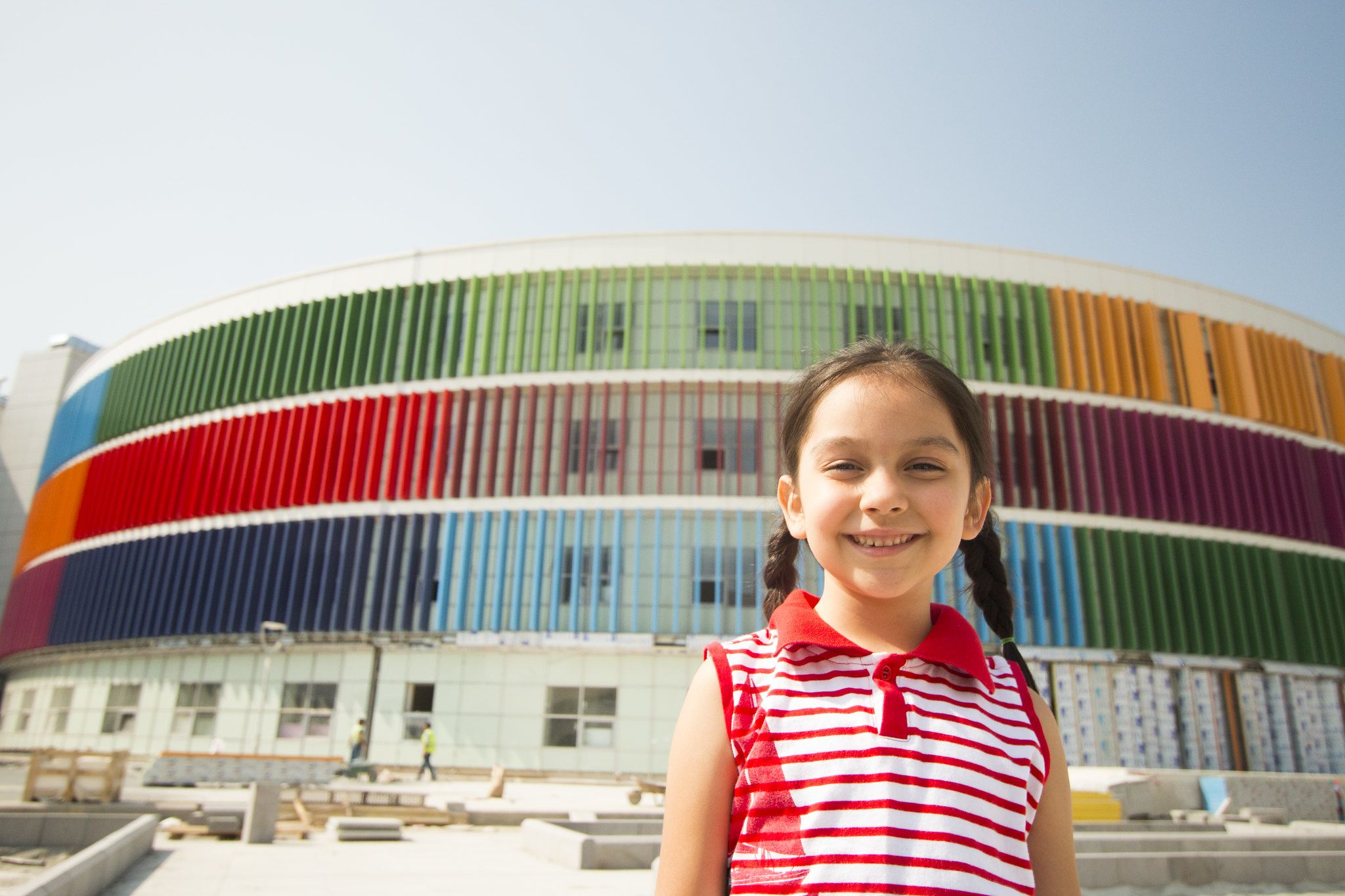
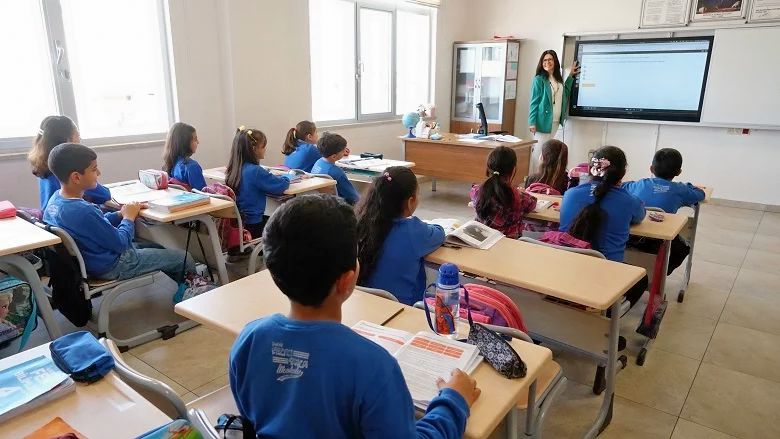
Seismically resilient schools built in Türkiye with support from GFDRR and the World Bank withstood the February 2023 earthquakes, saving lives and providing temporary shelters and vital services to affected populations.
Credit: World Bank/Erick Rabemananoro
Credit: World Bank/Erick Rabemananoro
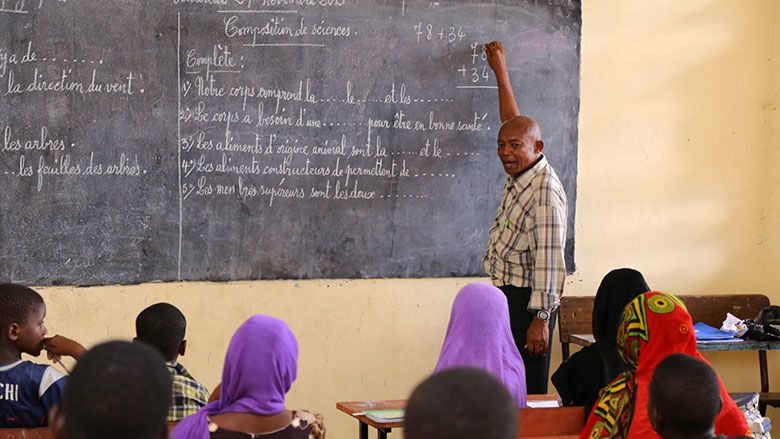
Primarily funded by GFDRR and managed by the World Bank, GPSS helps client countries invest in resilient school infrastructure to protect education from the increasing threats of natural hazards and climate change.

Credit: World Bank
Credit: World Bank
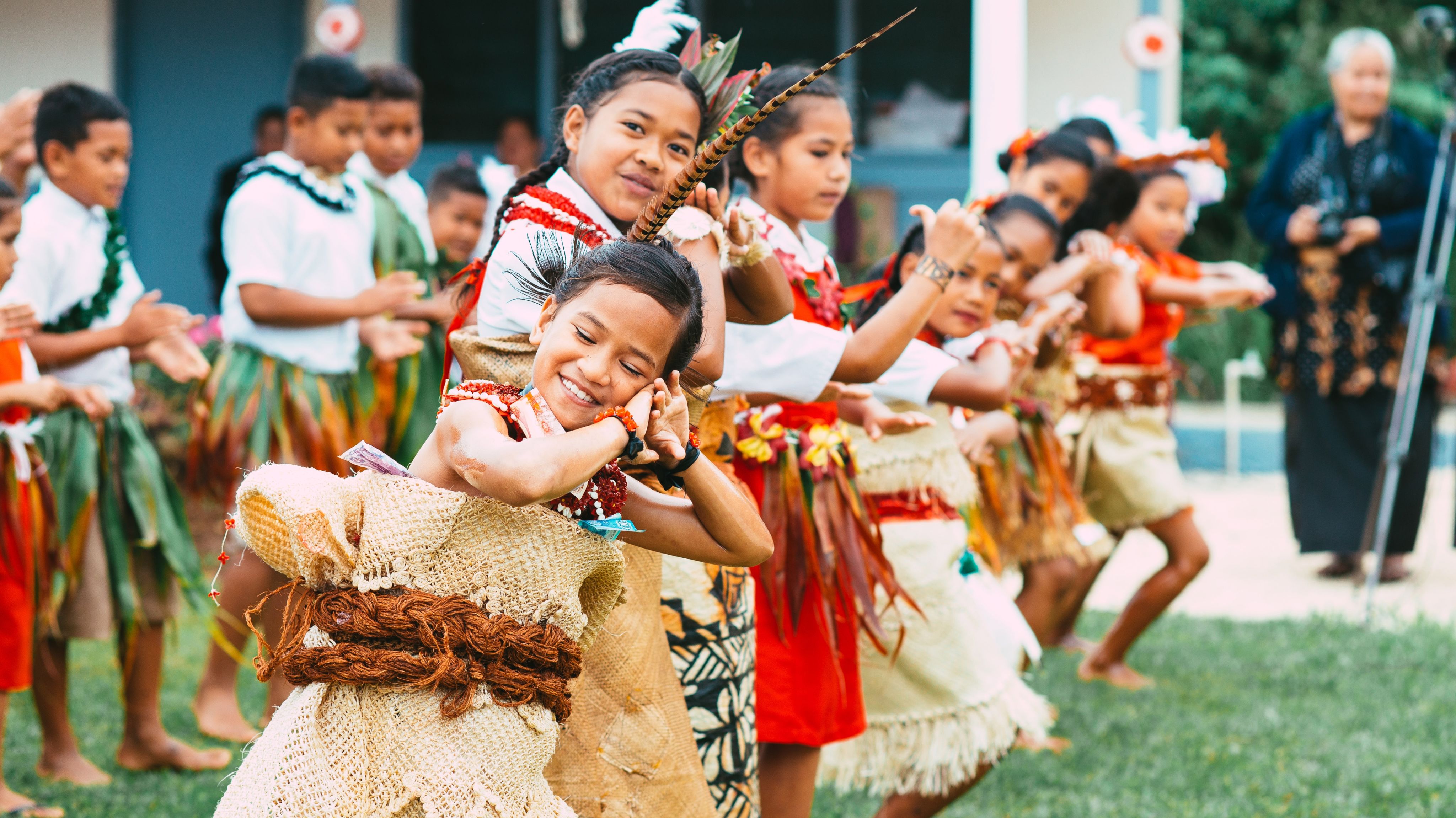
The World Bank approved additional funding for the Tonga Safe and Resilient Schools Project, benefiting over 2,000 students, which focuses on building seven new secondary school facilities and improving disaster planning, providing students with safer and more resilient learning environments against natural hazards.


Additional Safer Schools Videos

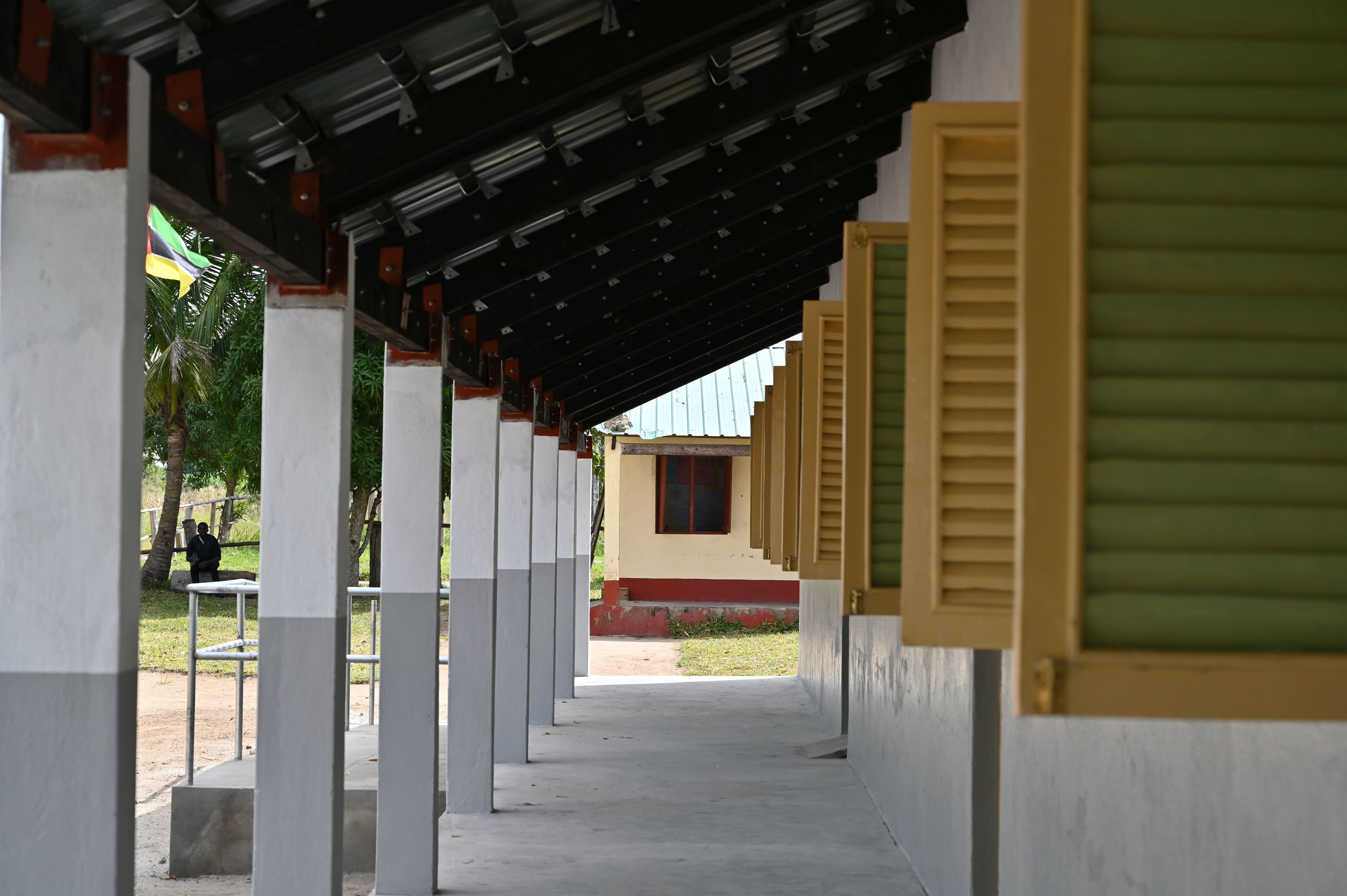
Building disaster-resilient schools in Mozambique
Education Infrastructure for Resilience Project in Türkiye
Enhancing School Accessibility in Honduras
Building Resilient Safer Schools in the Pacific: Towards a Strengthened School Infrastructure

Immersive Story Series Lead: Erika Vargas
Designed and Developed by: Yann Kerblat and Erika Vargas
Contributors: Evandro Gurgel, Yiying Wang, Carina Fonseca Ferreira, Yoko Kobayashi, and Fernando Ramirez Cortez.
Video and Photo credits: World Bank Group unless otherwise noted.