

The 20th replenishment of the International Development Association (IDA20) was launched a year early, in July 2022, in response to a global pandemic and various overlapping crises, following the abbreviated IDA19 cycle. The international community recognized the need for swift, decisive action to “build back better” after the COVID-19 pandemic caused lasting damage, triggering the first rise in global poverty in a generation. IDA20 became the primary tool to help countries respond to immediate challenges, recover lost ground, and regain momentum toward the 2030 development goals.
IDA's retrospective reports build trust and promote accountability by reporting on results, highlighting successes, and identifying challenges. It also sets a clear direction for the future priorities.
Genesis of IDA Retrospective
September 7, 1982: World Bank President Alden Clausen commissioned a study called "IDA in Retrospect: The First Two Decades of the International Development Association," to provide an objective analysis of the IDA's achievements over its first 20 years, highlighting both successes and failures.
The study outlined the creation and development of IDA, explained its operations, and evaluated its effectiveness while addressing criticisms from donors and recipients.


President Alden Clausen/World Bank Group
President Alden Clausen/World Bank Group
Listen to President Clausen's address to the Boards of Governors as he discusses the IDA Retrospect and reviews IDA's achievements over the past two decades.
Four key conclusions emerged from this study.
First, IDA has proven to be an effective development institution, contributing to policy reform and institutional development essential for long-term progress. Supported by over 30 donors, its role in economic development for low-income countries is recognized. However, isolating IDA's specific contributions to reforms is challenging, as many changes occur independently of its influence.
Second, IDA has adapted over time from focusing on large infrastructure projects to emphasizing agriculture, urban and rural development, and human resources. By the late 1970s, these areas represented 53% of annual commitments, up from 32% in the 1960s. IDA also increased its lending to the poorest countries and integrated poverty issues into economic discussions.
The third finding highlights IDA financing. Despite challenges, IDA funding has increased, but concerns arise as donor perceptions shift. Growing scrutiny makes each resource replenishment more difficult.
The final conclusion of this study is that the needs of the low-income developing countries remain as great as ever. The low-income countries still face significant and growing needs. Only eight original borrowers remain eligible for IDA funding, and they continue to struggle with extreme poverty, limiting their access to resources. Evaluating IDA's impact is difficult because its achievements are part of broader efforts. Nonetheless, IDA has been a very successful and very effective development institution.
IDA20 delivered impact at scale

IDA empowered countries, businesses, communities and people to drive change and pursue productive futures. It reached hundreds of millions of people. Specifically, IDA20:
- Supported over 122 million people, more than half of them women, with social safety nets.
- Helped add 11.7 GW of renewable energy capacity and provided over 55 million people with new or improved electricity access.
- Enabled 138 million people to benefit from enhanced internet broadband access.
- Helped nearly 200 million people in fragile countries access services for health, education, and jobs, including 70 million supported with employment and economic opportunities.
- And supported 60 countries in making disaster risk management a national priority.
-47.61
MtCO2eq/year
Net Greenhouse Gas (GHG) emissions
37.08
Million
People provided with improved urban living conditions
23.99
Million
People benefited from financial services
94.3
Percent
Satisfactory Bank performance in IDA-financed operations
Agile delivery to maximize results


As global challenges grow, IDA continues to leverage donor contributions for lasting change.
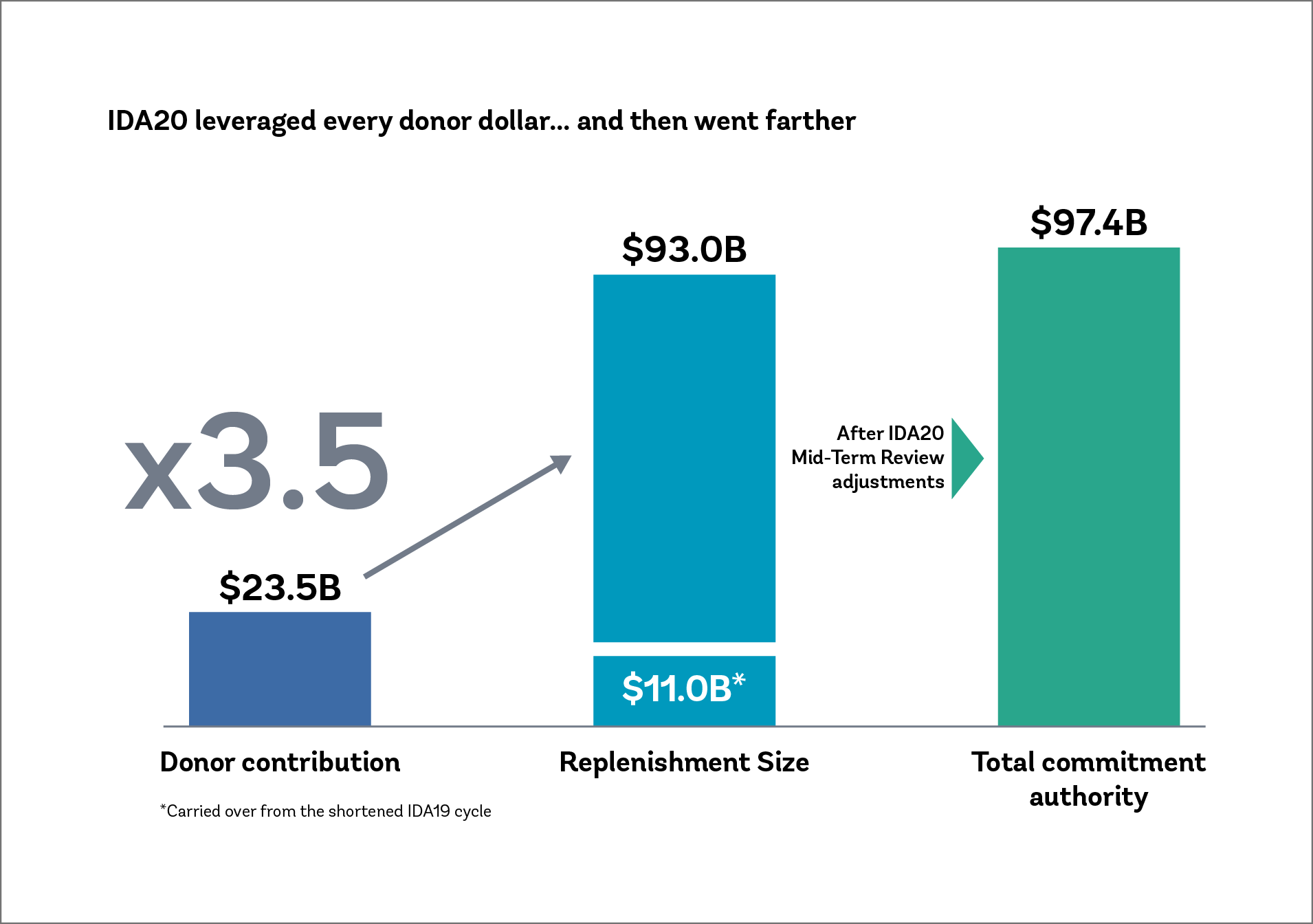
IDA20 underscored the importance of donor support in achieving rapid, large-scale development. Donors provided $23.5 billion, which IDA20 leveraged to generate $82 billion for new projects. With an additional $11 billion from IDA19, the fund reached $93 billion.
Innovative financing enabled IDA20 to increase its commitment authority to $97.4 billion. Donor-backed facilities and agile management enabled it to outpace original targets and extend resources farther.

IDA20 rapidly made financing available. Over half of IDA countries advanced funds beyond normal limits. In year one, $1.7 billion was reallocated to priorities and $8.2 billion shifted to urgent needs, helping projects scale.
IDA's Private Sector Window mobilized $6.2 billion in financing that catalyzed nearly $39 billion in commercial investment, proving that public capital can unlock private markets even in the most challenging environments.
Better disbursement kept funds moving. Weak implementation capacity in IDA countries remains a challenge, but ongoing capacity-building efforts are paying off.
What matters more than the $97.4 billion is the results achieved by IDA20 with these resources: lives improved, opportunities created, and hope for the future restored.
59
Number of IDA20 donors
23
Former IDA borrowers returned as donors
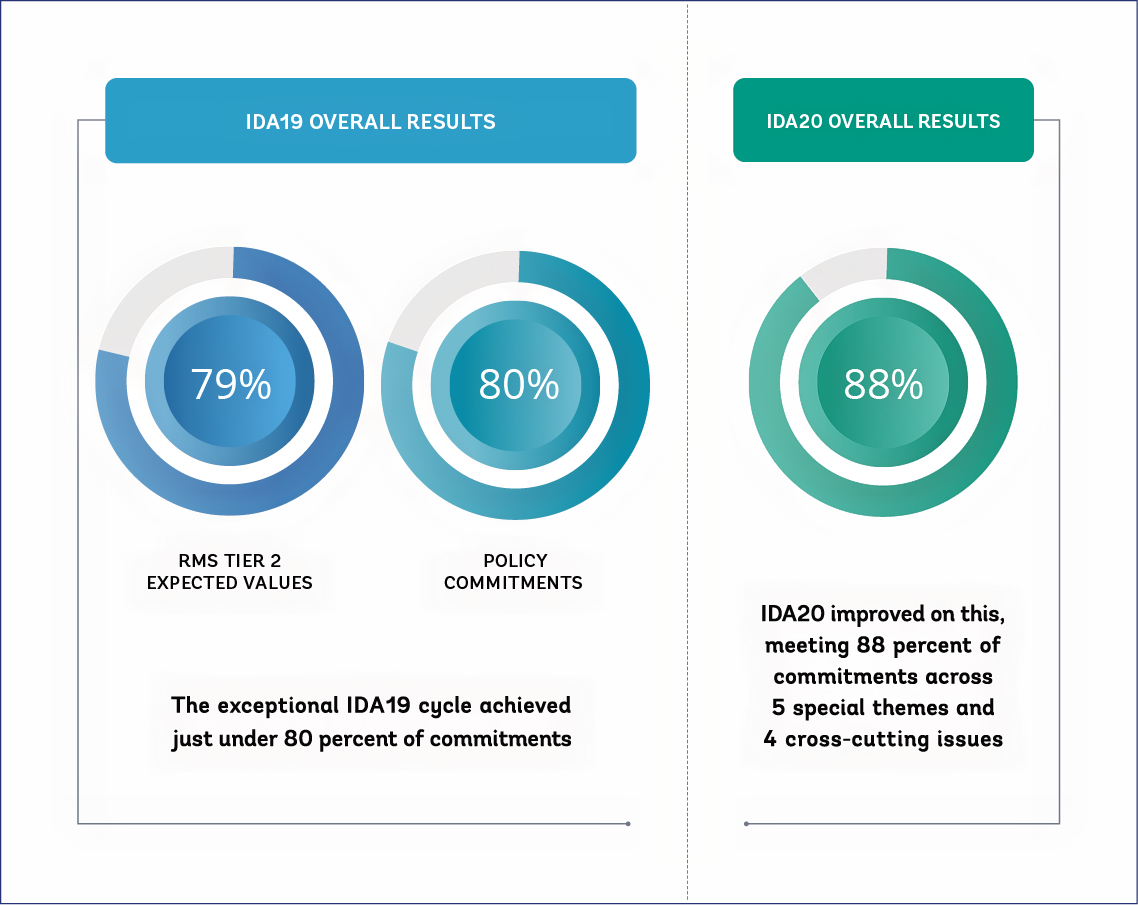
IDA20 achieved 88% of expected values for results indicators across five special themes and four cross-cutting issues, surpassed climate targets, and improved financial efficiency. The IDA20 cycle increased resources for project supervision while improving financial efficiency and surpassing its budget anchor target.
Monitoring and evaluation quality improved across all IDA contexts, including Fragile and Conflict-Affected Situations. IDA20’s focus on quality led to exit ratings for IDA projects reaching a ten-year high.
What are policy commitments?
Policy commitments are central to IDA’s value proposition, reinforcing priorities that demand action. They identify areas where IDA commits to advancing emerging issues, driving innovation, and collaborating with both clients and partners.
The commitments ensure that IDA maintains global leadership in addressing development priorities that foster systemic change and achieving lasting results across successive replenishments.

Simpler, faster, and more efficient

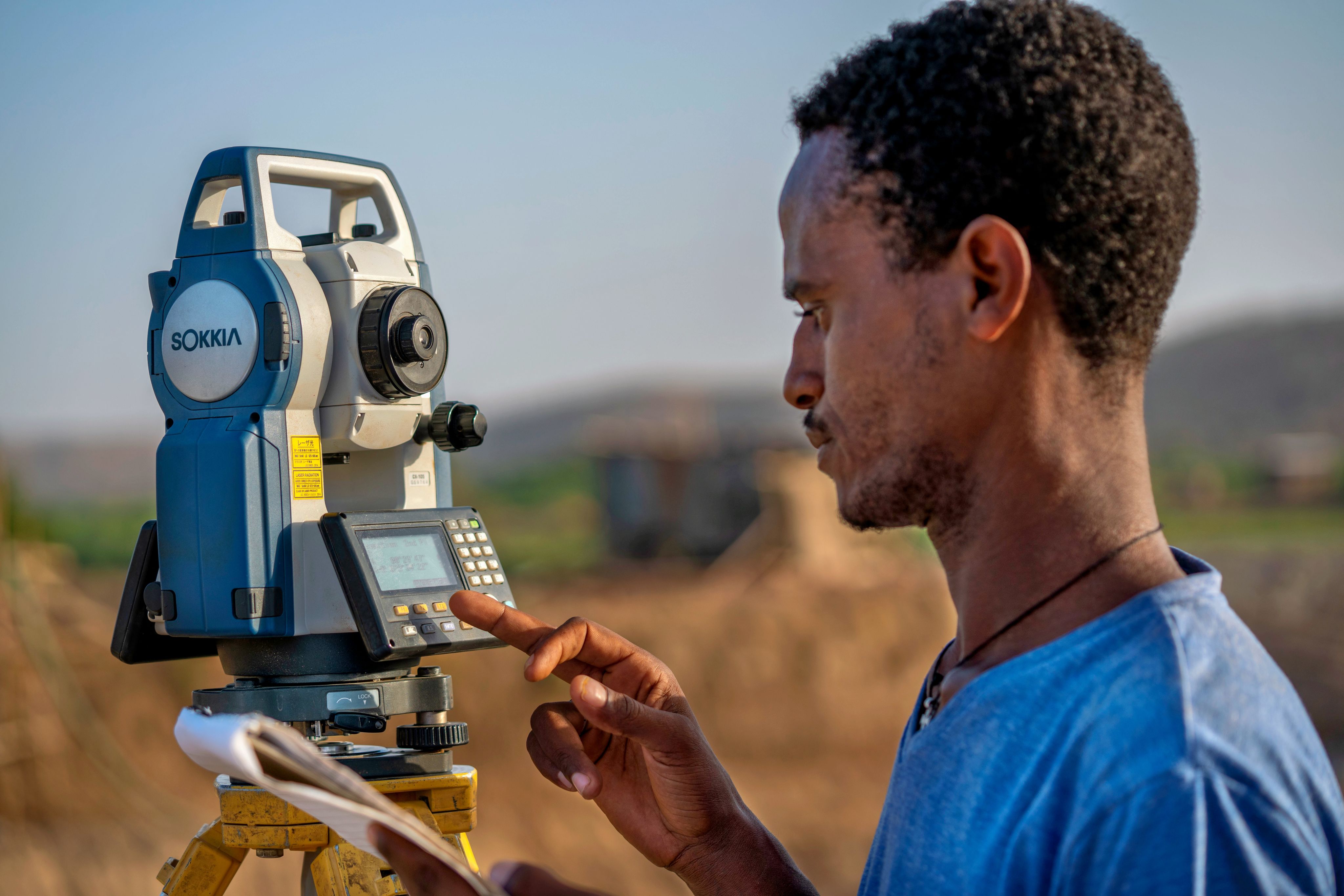
IDA20 made aid more efficient and effective, countering fragmentation and duplication through pooled resources, a country-led approach, and integration with government systems.
But IDA clients have challenged IDA to become simpler, more efficient. Complex processes and limited capacity slow development support. While IDA20 met nearly 88% of policy commitments (up from 80% in IDA19), doing so required over 1,000 country actions. Borrowers at the IDA20 Mid-Term Review urged streamlining policies and financing to boost transparency, efficiency, and results.
Building on the “SimplifIDA” theme, IDA streamlined policies in IDA20 and reduced the number of required country actions by more than half for IDA21. The new approach aligns with the World Bank Group’s push for efficiency and results, reducing burdens on countries and improving accountability.
Building resilience through results
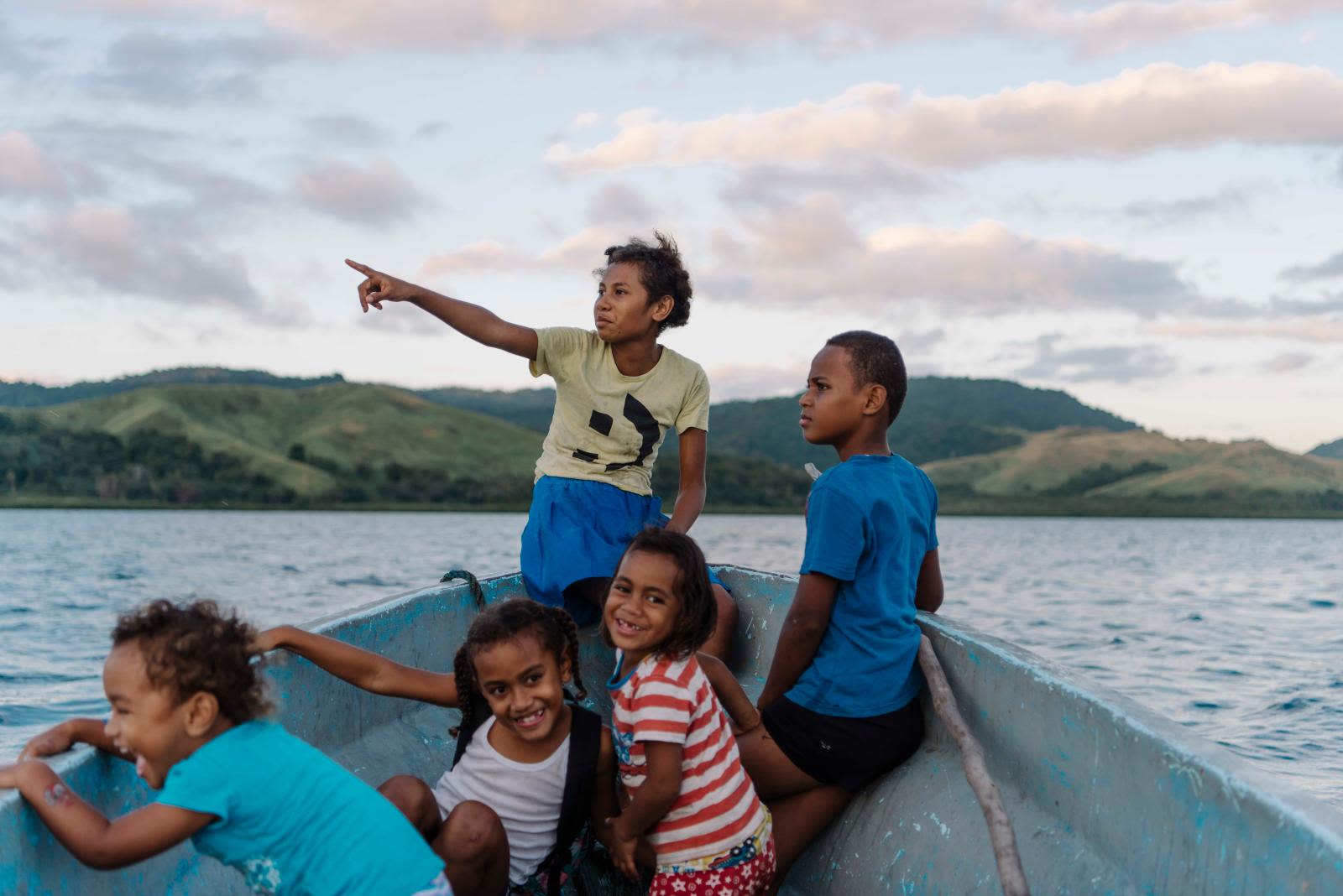
IDA20 was about more than recovery—it was a commitment to building a stronger future. Under IDA20, health systems were fortified for 224 million people, adaptive social protection was scaled up in 30 countries, and 41 percent of commitments yielded climate co-benefits.
IDA responded to present crises while equipping countries to better withstand future shocks.

Alana Holmberg/World Bank Group
Alana Holmberg/World Bank Group
Lasting impact, built over time

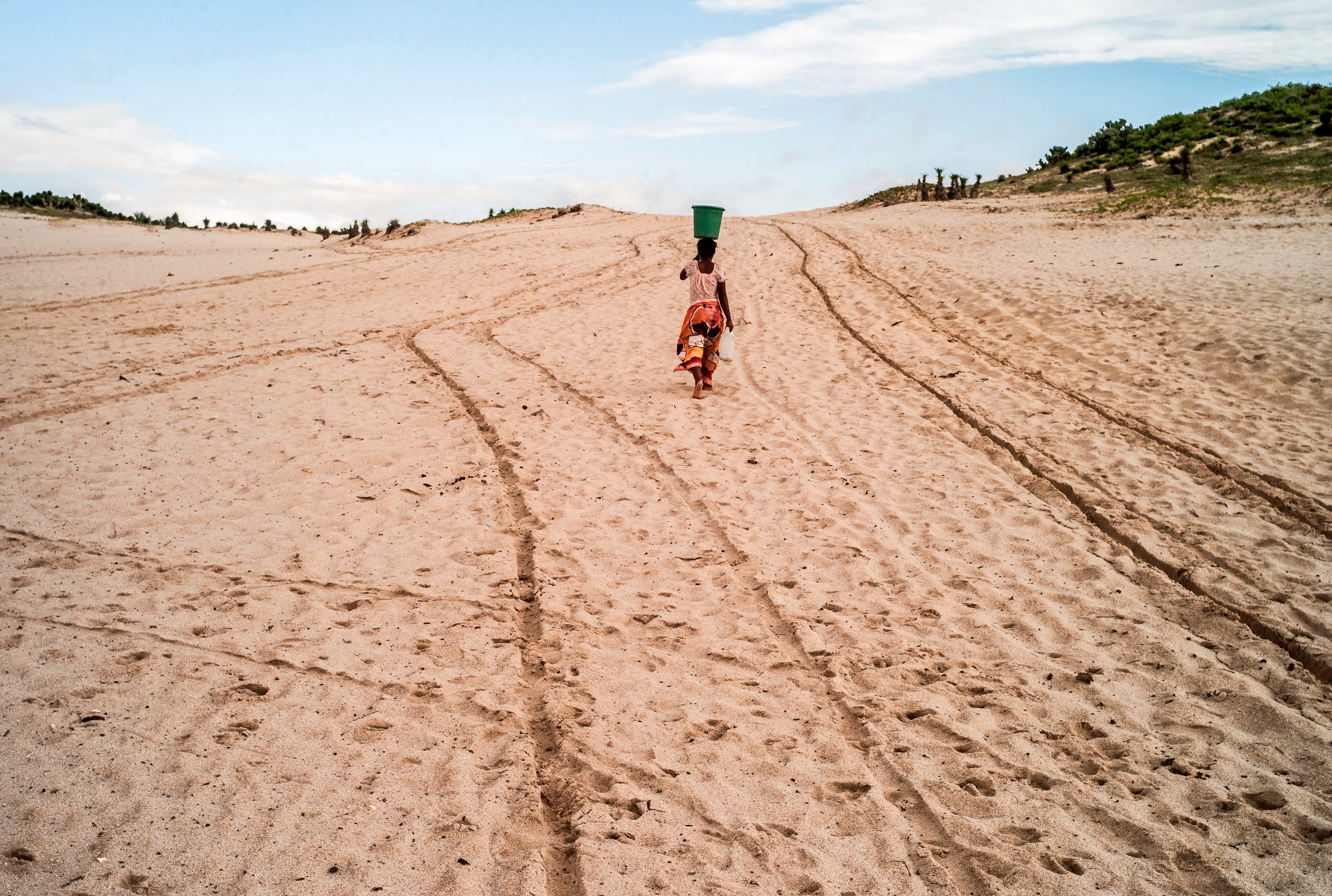
IDA20 demonstrated that it can build results over time and deliver even when risks are high. IDA’s Results Measurement System (RMS) continued to track IDA20 results as the new WBG Scorecard was launching. RMS data show that older projects delivered a large share of IDA20 results, particularly in infrastructure.
IDA20 achieved results, even in high-risk settings. Projects over five years old provided 70% of key outcomes. High-risk operations accounted for half of the energy and health outcomes.
Beyond the Dollars: Why Impact and Results Define IDA’s Unique Value
the "how" matters as much as the "how much."

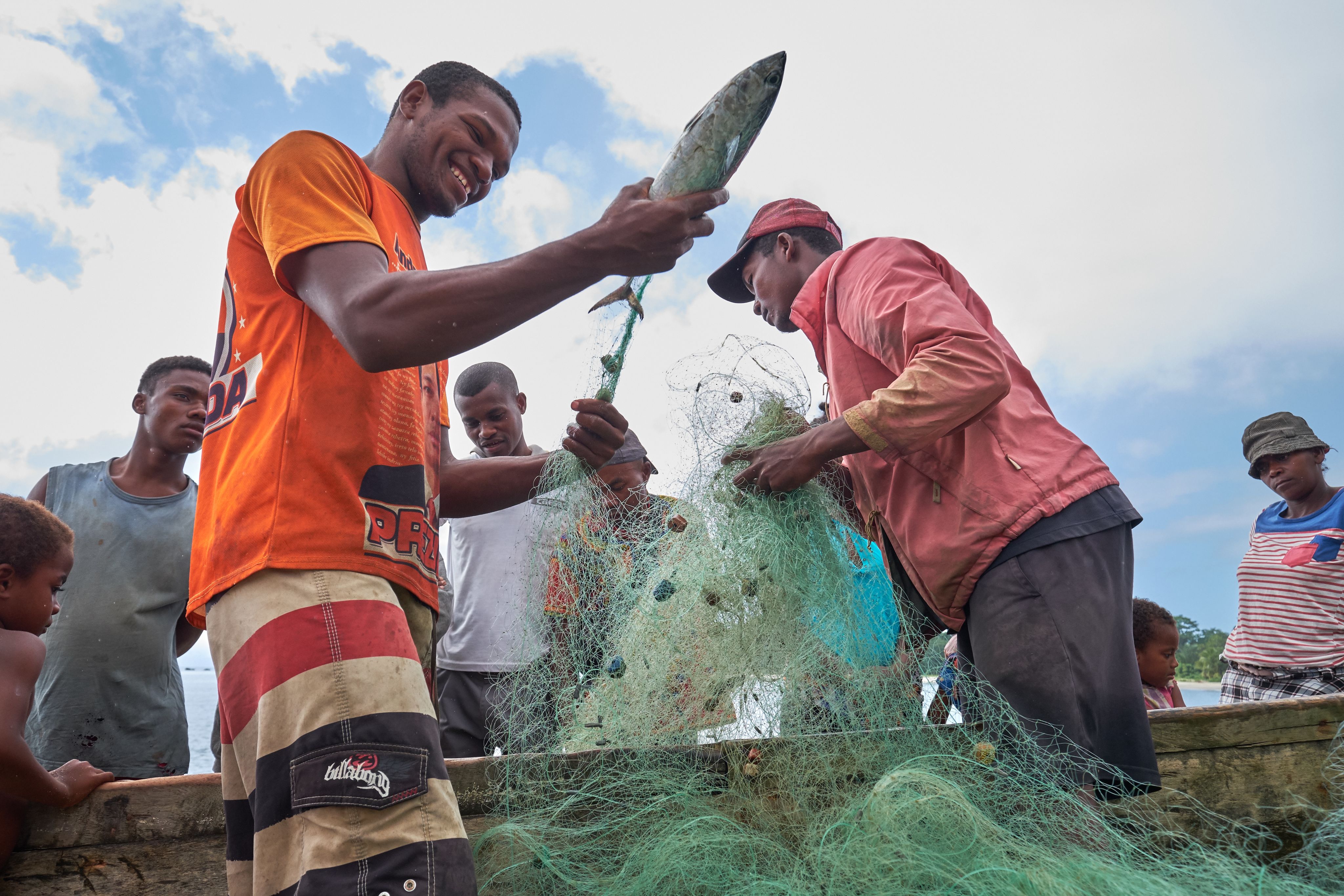
IDA is in for a long haul
Impact in the last three cycles (IDA18-IDA20)
IDA invests in countries for the long term, fostering sustained growth and ensuring lasting results.
Results from July 1, 2017 to June 30, 2025


351
million
people reached with social safety nets programs


105
million
people provided with new or improved electricity service


185
million
people provided with enhanced access to broadband internet
IDA expands and strengthens global partnerships

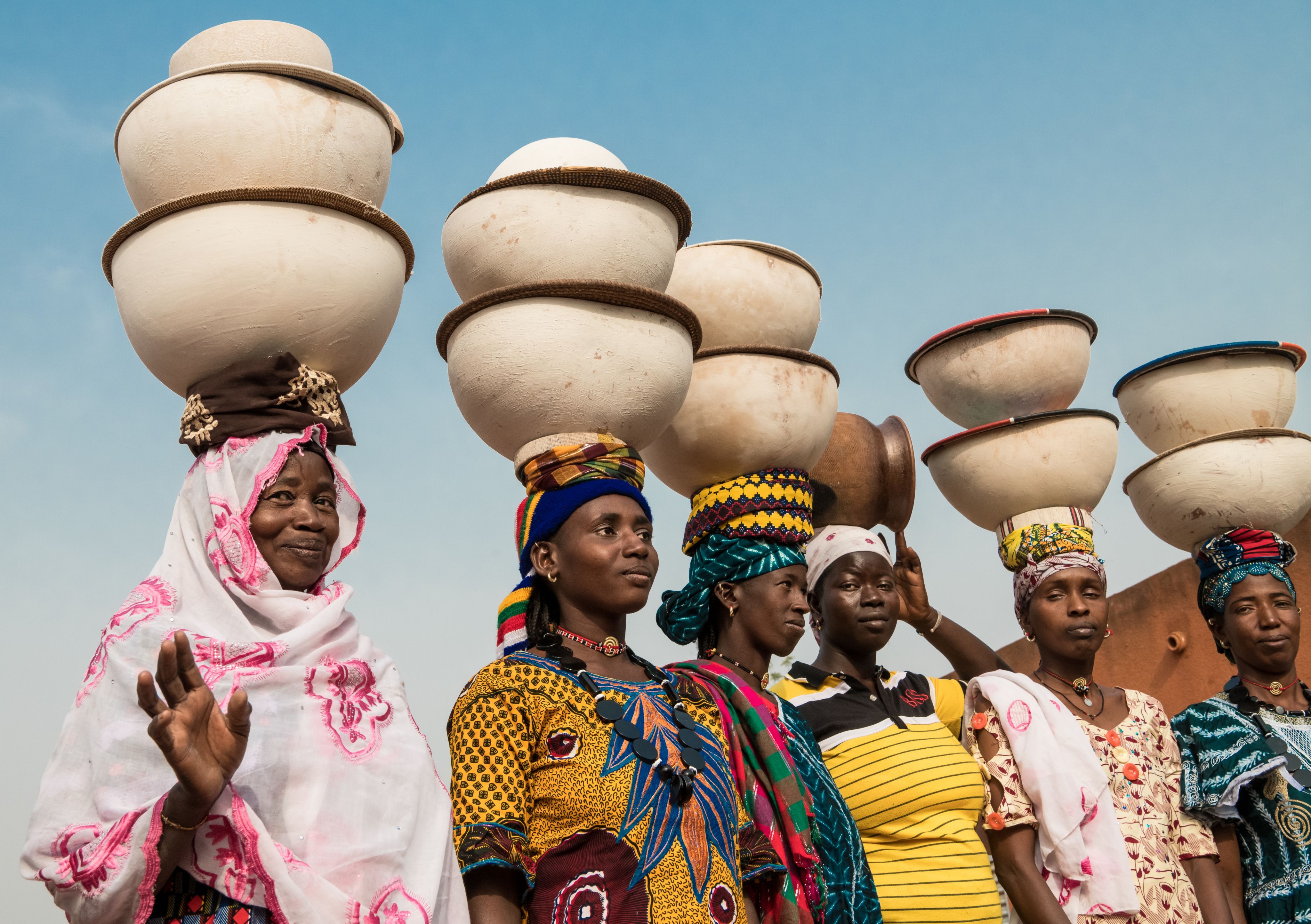
IDA’s strength lies in its unique partnership—donors, clients, the private sector, and civil society standing together in global solidarity. The results of IDA20 demonstrate the effectiveness of this model. Now, IDA must sharpen it, scale it, and accelerate its impact.
Financing partnerships, including co-financing, increased IDA20’s impact. The Global Collaborative Co-Financing Platform improved coordination and transparency among development banks. Trust funds supported health, climate, and crisis response, while borrower governments co-funded and mobilized resources.
One World Bank Group boosted private sector investment.
IDA20 improved coordination, and the Private Sector Window (PSW) made investing safer, especially in fragile countries. From FY18 to FY25, PSW supported 369 projects in 54 countries. Since then PSW has mobilized $39 billion in commercial investment, including $4.4 billion during IDA20. In addition, IDA20 financing leveraged $14.2 billion in private capital mobilization.
Each $1 invested through the PSW in IDA18 generated about $6 in additional investment. This ratio grew from around 5x in IDA19 to nearly 7x in IDA20.
IDA20 expanded the World Bank Group Guarantee Platform, managed by Multilateral Investment Guarantee Agency (MIGA). MIGA used PSW resources to support long-term equity investments in IDA countries. Sixty percent of IDA20 resources backed guarantees in fragile and conflict-affected situations.
IDA’s convening power and operational partnerships made it more effective.
One World Bank worked with the UN and regional partners to deliver vaccines and supported pandemic and crisis response. IDA improved data, energy, and digital tools. The Bank worked with the IMF and G20 to ease debt. In fragile countries, IDA created custom financing with the UN, NGOs, and regional groups.
In the final year of IDA20 (FY22-23), a global coalition of donors, borrowers and civil society reaffirmed IDA’s leadership in global aid, and called for a strong IDA21 Replenishment amid tighter budgets and greater needs. The strongest evidence of IDA’s indispensable role is that former borrowing countries, after graduating, return as donors.
More former IDA countries are returning as donors—23 graduate donors joined in IDA21, including Armenia, Bosnia and Herzegovina, Georgia, and North Macedonia as first-time donors.
IDA20 demonstrated that global partnerships can deliver large-scale impact, but ongoing learning and adaptation are essential. These lessons informed IDA21 and are guiding its implementation.
Key lessons:
- Sustained support is vital for building client capacity.
- Fragile contexts need more investment and improved implementation.
- Mainstreaming private investment is crucial.
- Operational efficiency should be continuously enhanced; and
- IDA can drive progress in jobs, health, energy, and crisis response.
Top 10 Takeaways for IDA21


IDA21 should continue to:
- Balance financing for short-term emergencies with medium-term outcomes.
- Pursue continuous improvements in portfolio quality and impact.
- Empower borrowers to focus on delivery and impact by simplifying and streamlining.
- Expand IDA’s global coalition.
- Extend IDA’s 65-year track record of flexibility, agility, and capacity to build resilience.
IDA21 should increasingly:
- Strengthen foundational infrastructure and policies for private sector-led job growth.
- Leverage private capital across IDA financing, building on the Private Sector Window.
- Accelerate outcomes in electricity, health, gender with results-based management using the new WBG Scorecard.
- Tackle growing debt vulnerabilities and promote debt transparency in IDA countries.
- Secure IDA’s long-term sustainability amid limited flexibility, rising needs and tighter budgets.
IDA countries are confronting growing needs and challenges.
In many countries poverty has risen since the onset of the COVID-19 pandemic.
IDA's Leadership on Global Challenges
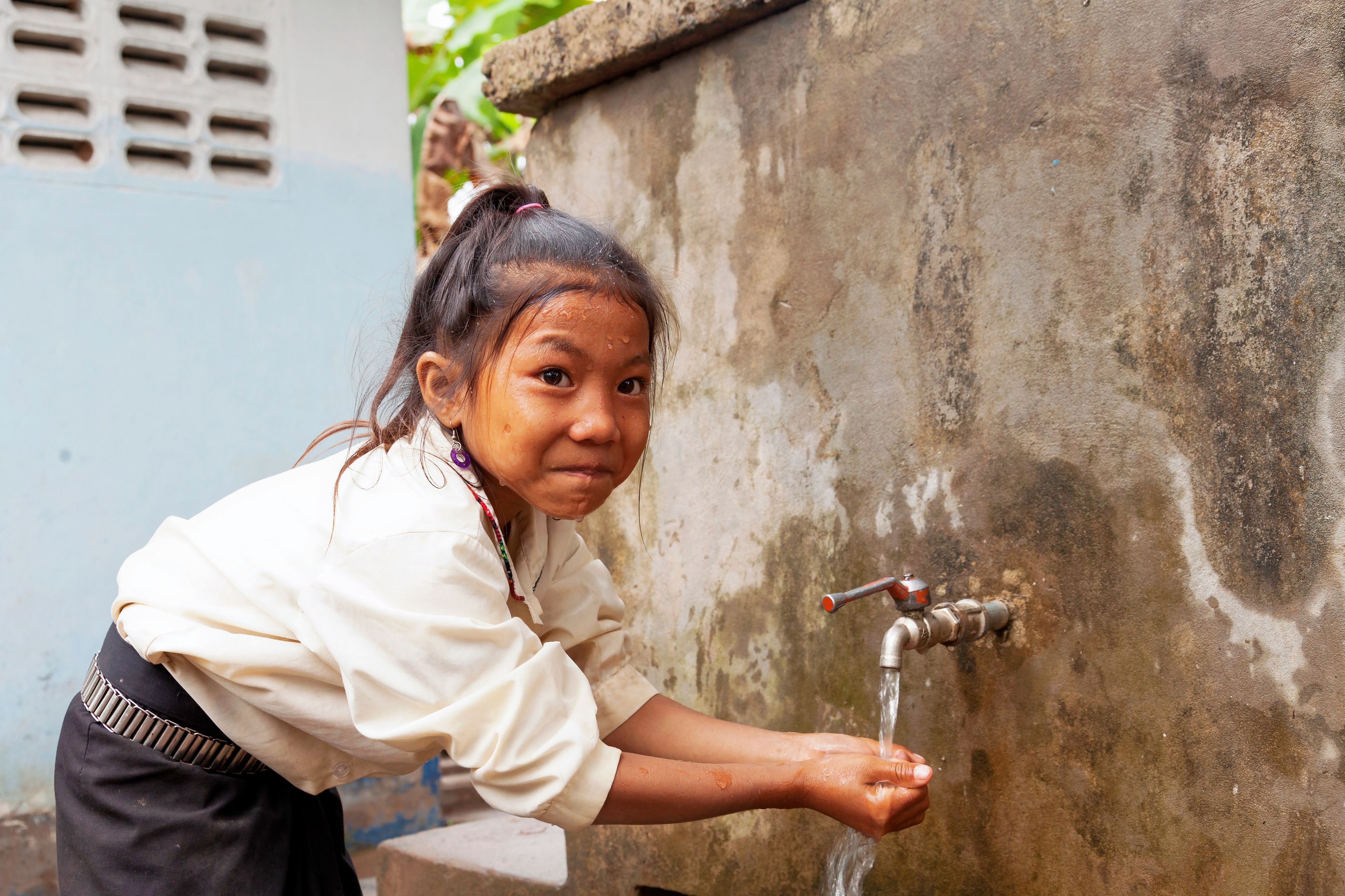
For over 65 years, IDA has been a trusted partner in helping hundreds of millions of people escape poverty through job creation and access to key services such as clean water, education, and electricity. While challenges remain, IDA’s work is making a significant impact.
Read testimonials from beneficiaries about the positive changes in their lives.
Disclaimer: This map is for illustrative purposes and does not imply the expression of any opinion on the part of the World Bank, concerning the legal status of any country or territory or concerning the delimitation of frontiers or boundaries. Country borders or names do not necessarily reflect the World Bank Group's official position.

“We are thankful to the World Bank for this health system strengthening project, which is helping us move toward providing better access to underprivileged populations across Kiribati, particularly those people who are living in our remote outer islands.”
Dr. Tekeua Uriam Kabiri, Director of Hospital Services, Ministry of Health, Kiribati


“At school, we would see only 20–30 percent of the children. Since the water supply project has given us access to water, attendance has improved dramatically.”
Rolland Paponurea, District Administrator, East Nakanai, West New Britain, Papua New Guinea.

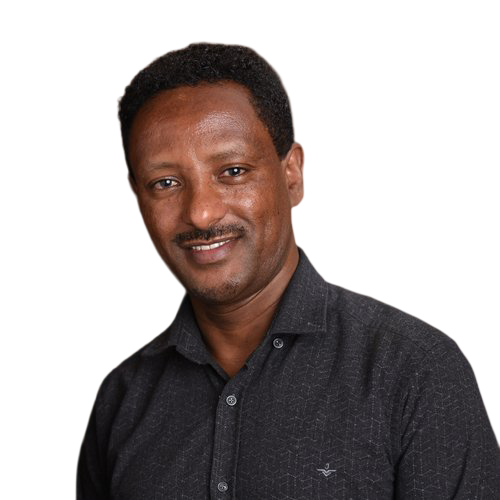
“Digital literacy is no longer a luxury—it is a necessity for inclusive development. Through our nationwide International Certification of Digital Literacy training initiative, we have equipped over 12,000 academic staff and nearly 200,000 students with essential digital skills, while also reaching close to 3,000 community members through university engagement programs."
Zelalem Assefa, PhD, Chief Executive Officer (CEO), ICT and Digital Education, Ministry of Education, Ethiopia.
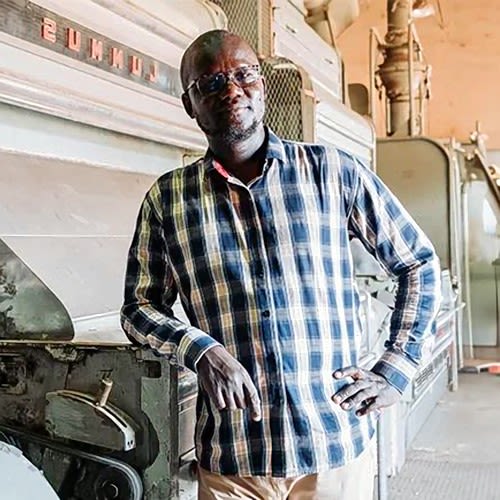
"In 2022, we used generators for only 70 hours across the five Sodefitex factories. So far in 2023, we have not had to turn on a single generator. It is a source of pride and relief because we were preparing to ask our Board of Directors for a significant cash investment to purchase new generators."
Sadio Seye, Director of Operations, Sodefitex, Tambacounda, Senegal

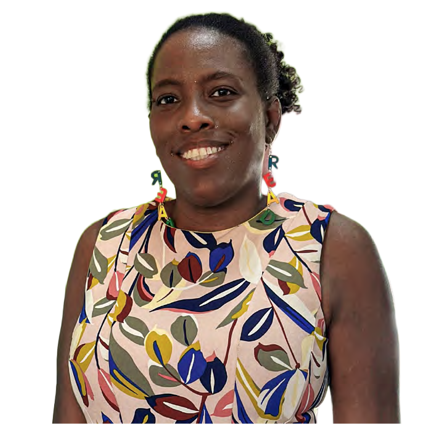
"After 13 years teaching, not much impresses me, but this tech has me running to the office and the kids are just as excited, always asking if they can do IT. The technology motivates them to learn and collaborate."
Ms. Melisa Hippolyte, Head ICT instructor at Vide Bouteille, St Lucia