

In IDA20, four Cross-Cutting Issues—Crisis Preparedness, Debt, Governance and Institutions, and Technology—served as core building blocks for sustainable development. These issues were underpinned by five special themes. Together, they reinforced each other and advanced inclusion, strengthened resilience to future shocks, and supported a greener recovery.
Ambitious policy commitments guided these efforts, provided a clear framework for addressing key priorities, fostered innovation, and enabled progress tracking.
Crisis Preparedness
Reducing crisis impacts, boosting resilience
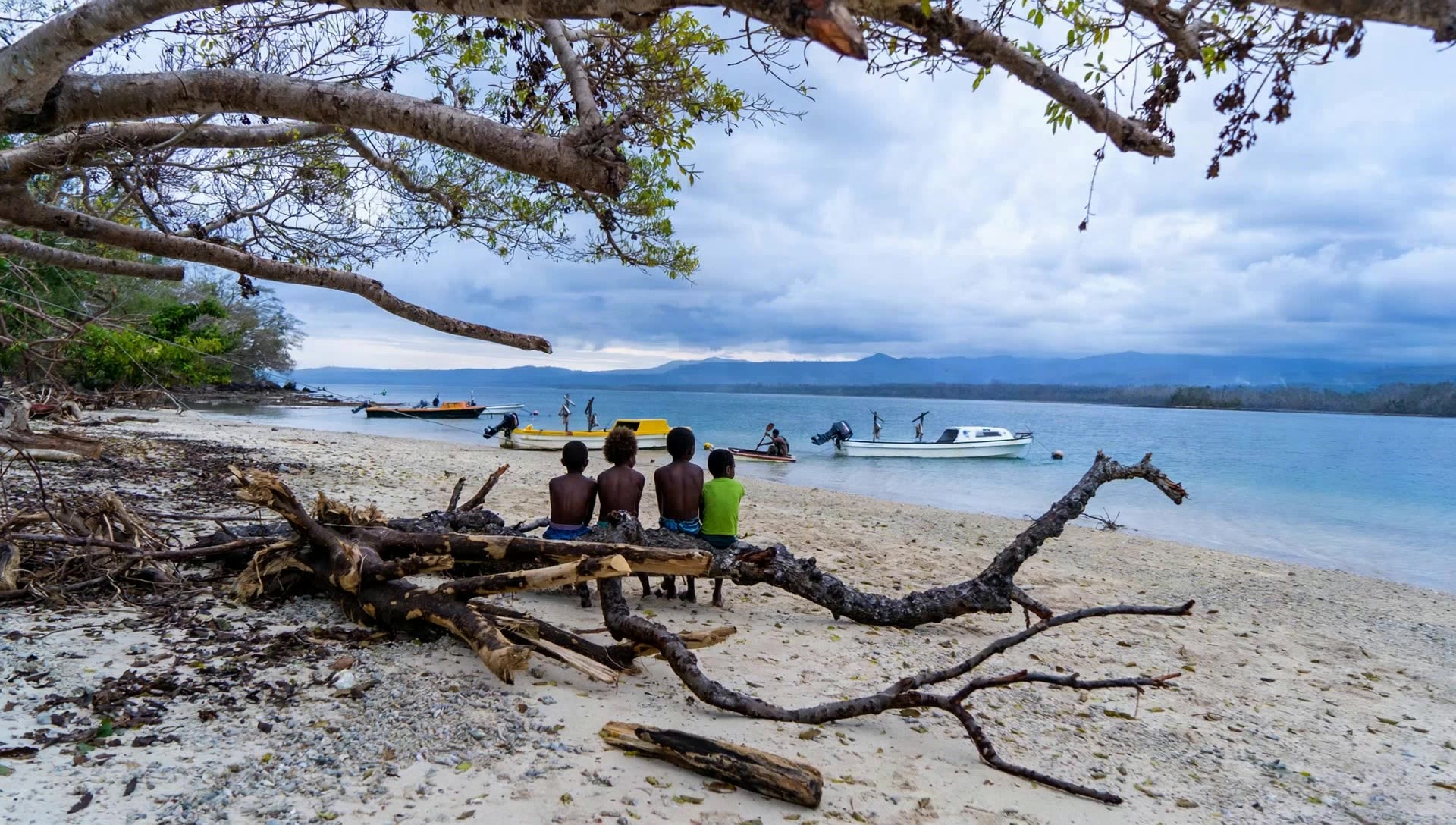

For more than 65 years, IDA has supported countries in managing crises and protecting development progress. During COVID-19, IDA20 focused on prevention and preparedness by offering incentives, better planning, crisis policies, and quick emergency funding. All crisis preparedness goals were met, helping countries better handle frequent shocks.

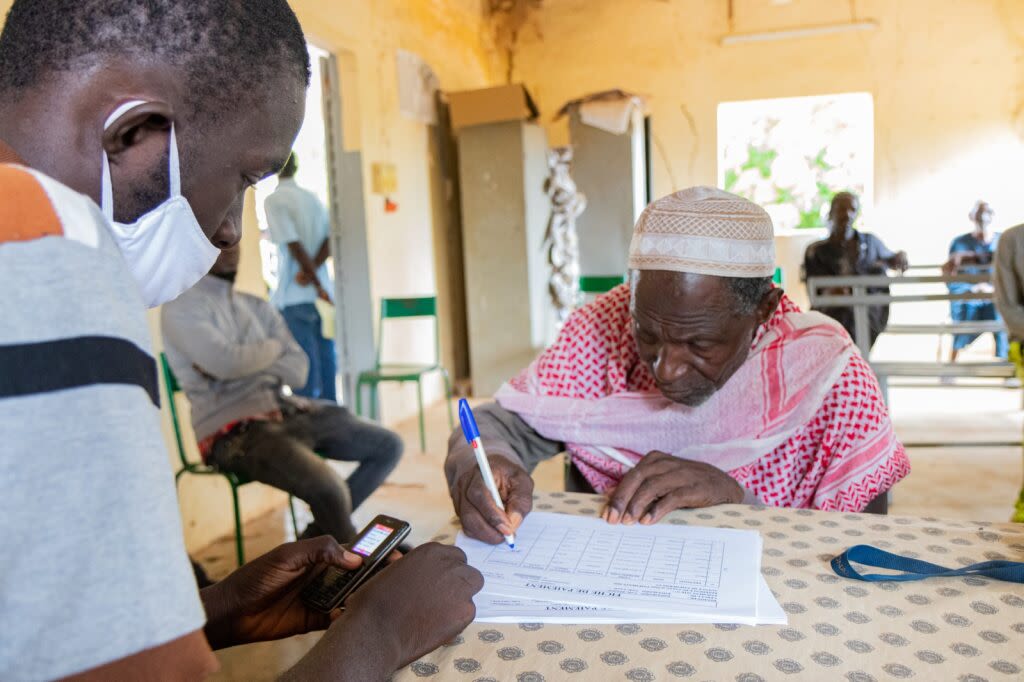
Erick Kaglan/World Bank
Erick Kaglan/World Bank
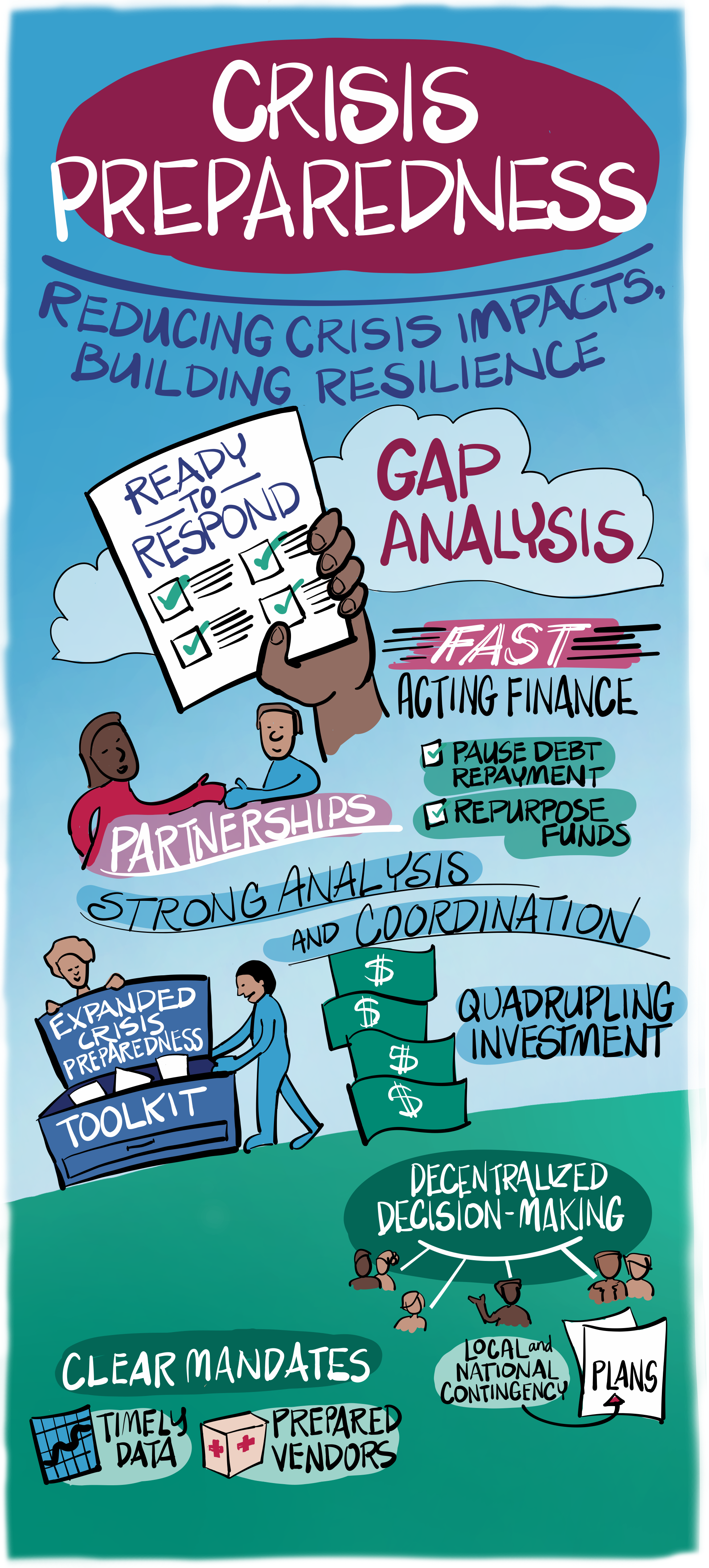
IDA20 made it mandatory for all new country strategies to include crisis preparedness diagnostics. These diagnostics checked how ready institutions were and guided planning in 30 IDA countries. With IDA’s support, 60 countries made disaster risk reduction part of their systems, and 34 countries included social protection in their national systems.
Partnerships, especially with the Global Facility for Disaster Risk Reduction, brought valuable analysis and expertise. This enabled quick crisis funding and better responses, helping protect vulnerable people and rebuild infrastructure after disasters.
To help countries with limited access to finance, IDA20 offered more incentives for using catastrophe-linked financing through Catastrophe Deferred Drawdown Options (Cat-DDOs). For every dollar a country invested, IDA added three more. This funding supported reforms to manage disaster risks and provided countries with quick access to funds during crises. As a result, demand rose, and 21 countries received $839 million in pre-arranged financing.
The Crisis Preparedness and Response Toolkit helped 39 countries get funds quickly during disasters. Small states benefited from the Climate Resilient Debt Clause, which St. Vincent and the Grenadines used after Hurricane Beryl in 2024, and from the Rapid Response Option, which let Honduras and Vanuatu redirect $62.8 million. Chad also accessed emergency funds after severe floods.
Continued investment in data, systems, and finance—central to IDA21—remains crucial as IDA countries still face major challenges during large disasters.

“The Government is assessing the damage from the earthquake and is continuing to work to deliver more support, shelter, and assistance to those in need. This support from the World Bank, along with support from other partners, will be vital in ensuring we have the resources required to assist those most impacted.”


Vanuatu’s Caretaker Minister for Finance and Economic Management, Hon. Johnny Koanapo, speaking in December 2024, after IDA mobilized resources within days of a devastating 7.3 magnitude earthquake (Photo: The Parliament of Vanuatu).
Vanuatu’s Caretaker Minister for Finance and Economic Management, Hon. Johnny Koanapo, speaking in December 2024, after IDA mobilized resources within days of a devastating 7.3 magnitude earthquake (Photo: The Parliament of Vanuatu).
Governance and Institutions
Enhancing transparency, fostering accountability


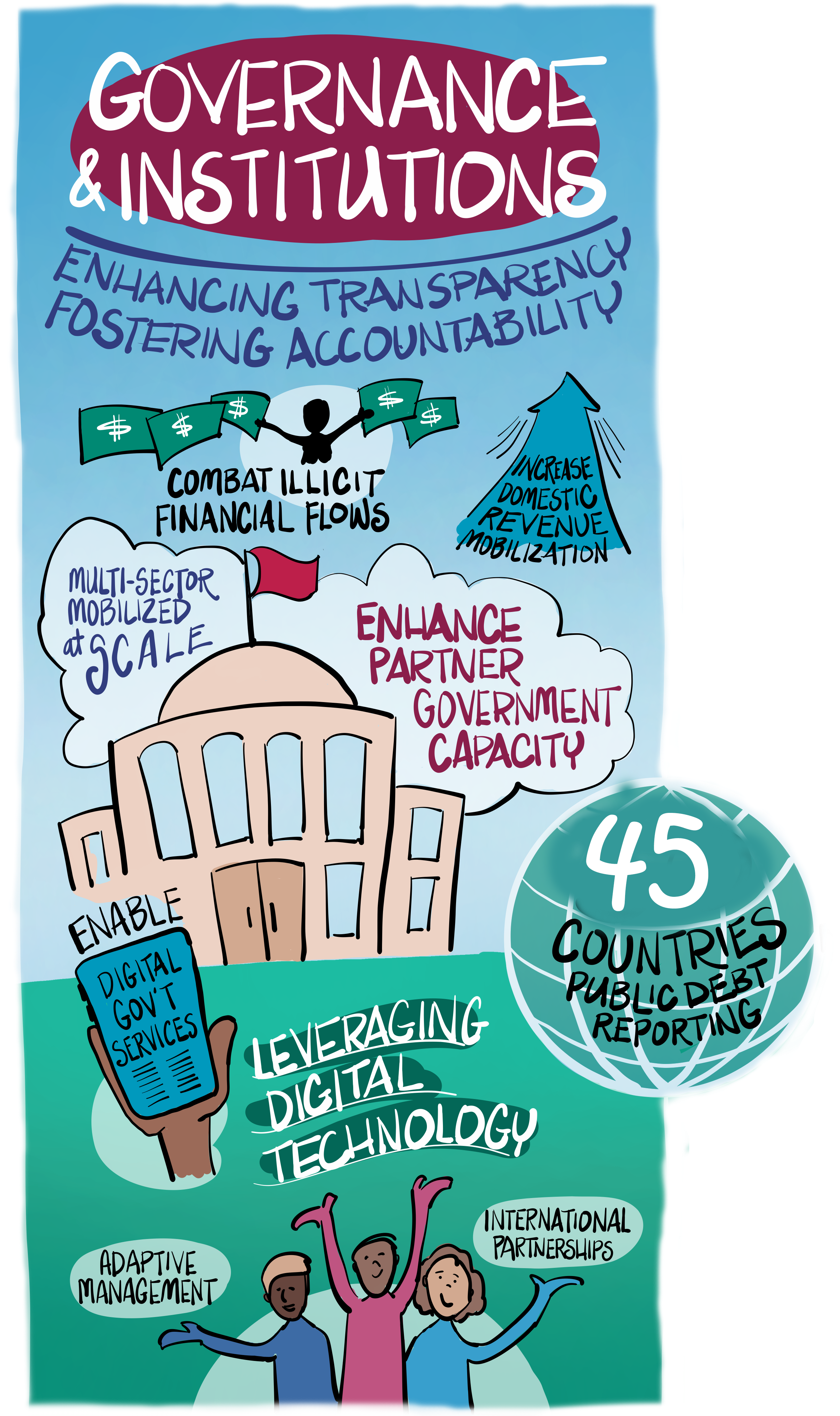
45 countries
Published timely debt reports, increasing debt transparency and supporting fiscal sustainability.
IDA20 enabled countries to respond with agility to immediate crises while laying institutional groundwork for sustainable and inclusive development.
67 countries
Improved Domestic Resource Mobilization (Four times the original target)
IDA20 built governments' capacity to manage debt, mobilize domestic resources, enable digital government services, and combat illicit financial flows. Investments in data systems boosted transparency, and informed policy decisions.

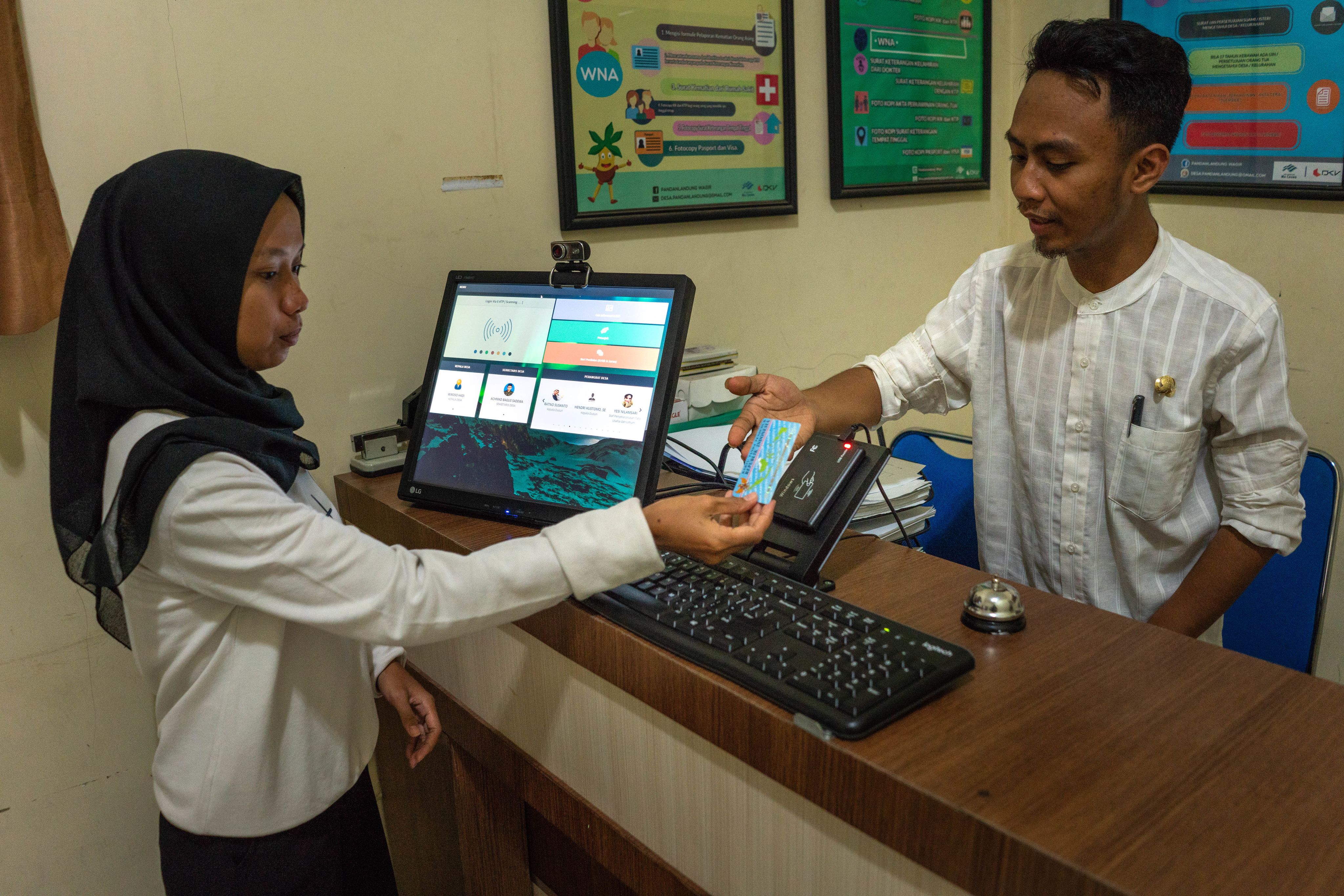
Fauzan Ijazah/World Bank
Fauzan Ijazah/World Bank
IDA20 helped borrowers fund their own development needs, thanks to increased investments in domestic revenue mobilization (DRM). Recognizing the complexity of DRM reforms involving multiple stakeholders and competing interests, IDA20 partnered with the International Monetary Fund (IMF) and other development partners to present a unified voice and leverage their comparative strengths.
IDA-funded operations improved government accountability and service delivery. Digital procurement enhanced transparency in Bangladesh, health governance strengthened Burkina Faso, citizen engagement boosted accountability in Cambodia, and agribusiness support increased competitiveness in Honduras.
Integrating multisectoral and targeted initiatives, like the Platform for Collaboration on Tax, improved resource mobilization, reduced corruption, and advanced sustainable development. The civil and citizen engagement ensured projects reflected people’s needs and informed policy. This approach continues in IDA21, tracked by a new WBG Scorecard indicator.
Lessons from IDA20 in adaptive management and digital innovation will help build stronger institutions globally.
Debt
Strengthening transparency


“By publishing the credit risk assessment for the first time, we can show the public not only what we owe, but also where potential risks lie. This gives us the tools to plan better and negotiate more responsibly.”
Mrs. Ioby Rasamiravaka, Director of Public Debt, Ministry of Economy and Finance, Madagascar, led the creation of a legal and institutional framework for fiscal risk management with support from IDA.
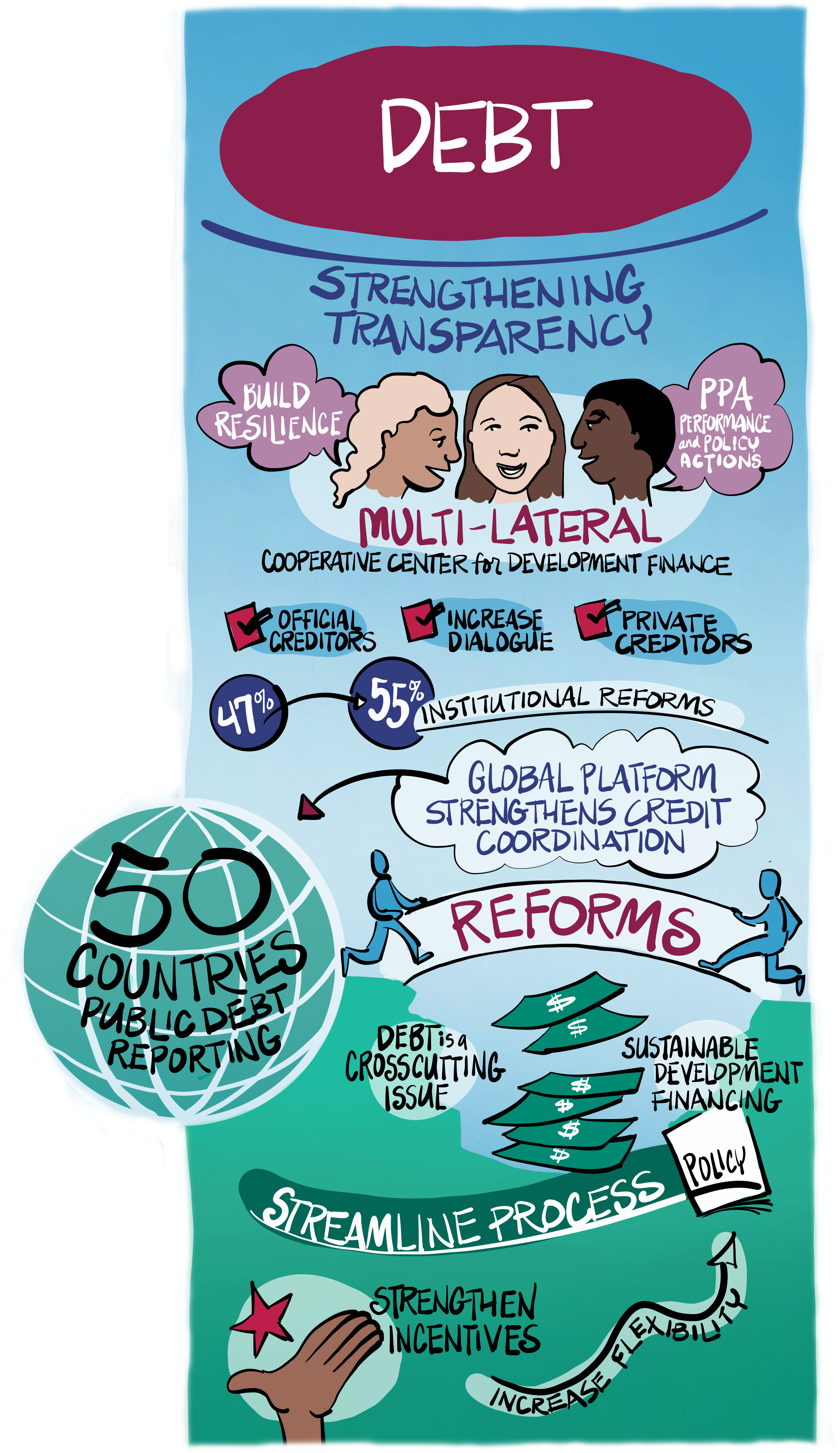
The COVID-19 pandemic heightened debt risks in IDA countries, underscoring the importance of transparency and strong debt management. Until recently, many countries did not publish debt data. To fix this, IDA19 and IDA20 introduced new policies to improve debt reporting.
By 2024, the share of countries without accessible debt data dropped from 40% to less than 25%. IDA20 helped 50 countries publish full debt reports or risk statements, and 45 released timely reports—exceeding targets.
Although IDA20 advanced debt reforms and enhanced transparency, significant challenges remain. Debt levels continue to rise, and debt distress is widespread. By IDA20’s end, 46% of countries still faced high debt distress, only slightly better than 50% at the start. Over the past decade, the external debt stock of IDA-eligible countries has more than doubled, reaching a record $1.2 trillion in 2024.
IDA20 saw greater alignment among multilateral development banks and improved collaboration with export credit agencies, supporting sustainable debt policies. Four countries seeking relief—Chad, Ethiopia, Ghana, and Zambia—made progress, enabling IDA20 to provide $9.9 billion in concessional loans or grants. In 2024, lower-middle-income countries restructured nearly $90 billion in debt, 58% of which involved IDA-eligible countries.
IDA’s Sustainable Development Finance Policy (SDFP) built resilience by requiring at-risk countries to set fiscal, debt, and transparency goals. Under IDA20, most countries prepared Performance and Policy Actions (PPAs), though some struggled to implement them. The SDFP adapted, increasing reforms and streamlining processes. Early results showed faster resource access after reforms.
Technology
Closing Divides, Going Regional

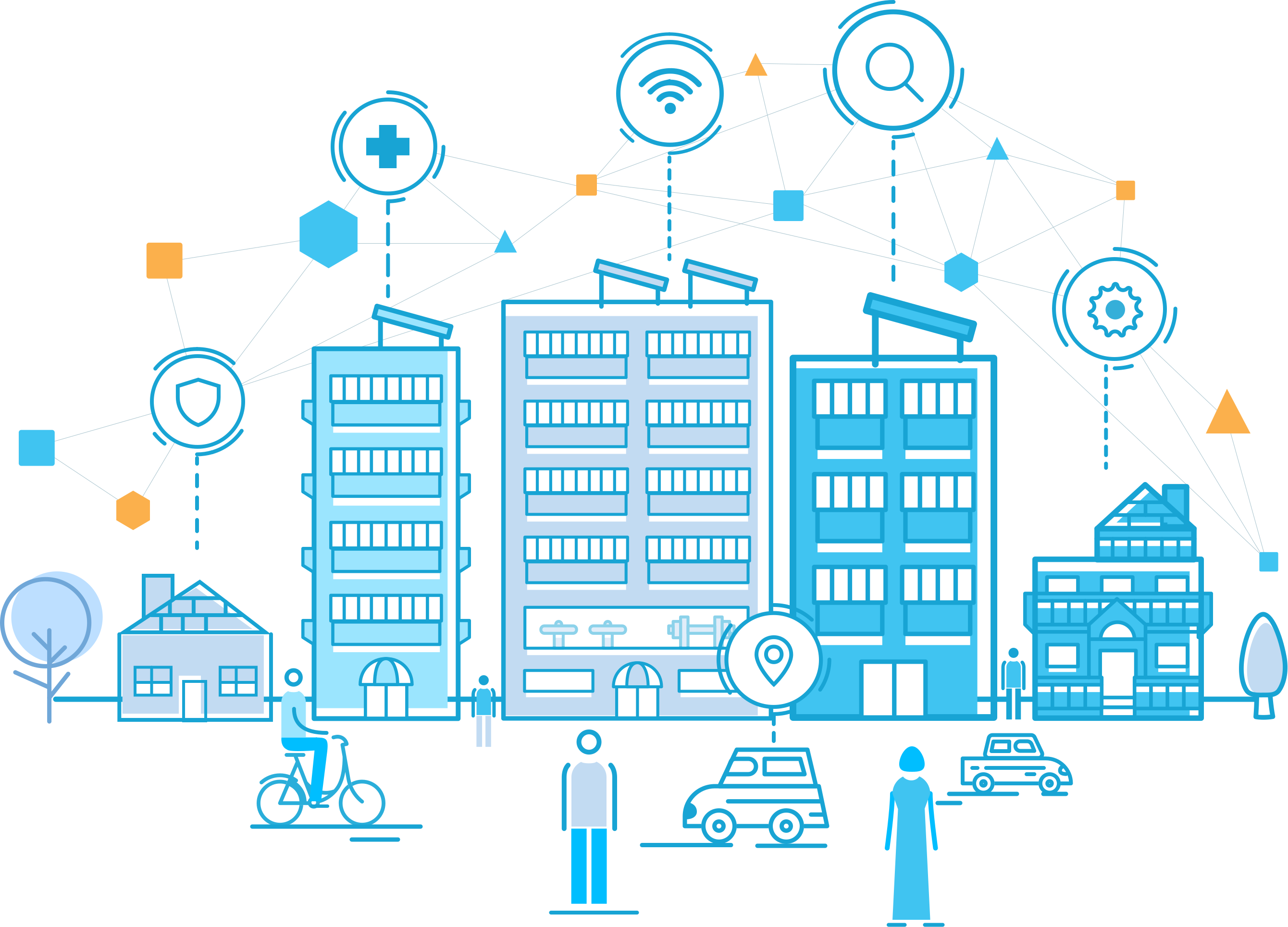
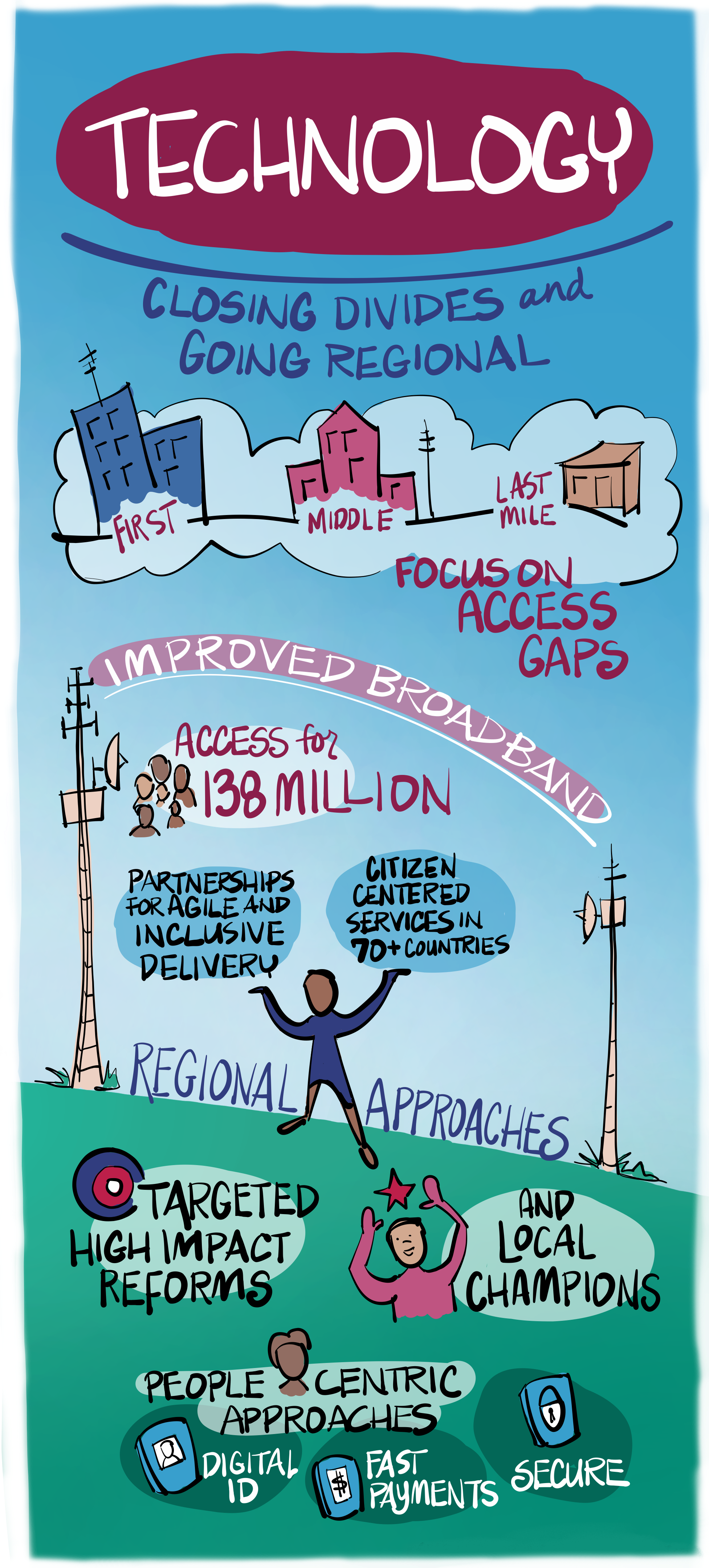
Only 39% of people in IDA countries use the internet. IDA20 narrowed this gap by expanding broadband to 138 million people, including 85 million in fragile and conflict-affected areas—56% above target. IDA20 positioned technology as a catalytic force for development.
IDA20 prioritized connecting underserved schools, clinics, and villages, while helping women access the internet and build digital skills. It reduced device costs for low-income women, boosted digital literacy, and supported youth jobs and refugee inclusion. Digital public infrastructure—like IDs, fast payments, secure data sharing, and trust services—now underpins citizen-centered services in over 70 countries.
Isac, aged 13, lives in Mozambique’s Homoine district. Until recently, he was one of the 50 percent of citizens in Mozambique without official ID. Mobile brigades are changing this, using technology to register tens of thousands of people.
By joining forces with partners in Identification for Development and Government-to-Person Payments, IDA20 helped more than 70 countries use Digital Public Infrastructure—such as digital IDs, instant payments, and secure data sharing—to offer better services to their people.
This approach supported stronger data protection and e-signature laws, built systems that delivered social protection, healthcare, and financial aid more quickly, and encouraged local leaders to build trust and promote adoption. Digital public infrastructure has become a key part of global development.
Regional strategies increased impact. In Eastern and Southern Africa, the Inclusive Digitalization in Eastern and Southern Africa (IDEA) Program linked markets and policies to bring internet to 50 million people so far, aiming for 180 million. Regional purchasing cut costs and sped up rollout, while joint energy-digital investments extended fiber to remote areas. A unified market for data, spectrum, and digital IDs attracted private investment.
Despite progress, gaps persist in hard-to-reach and vulnerable communities. Usage still lags due to cost and literacy, and digital ecosystems remain fragmented. Going forward, public-private partnerships and a new Digital and AI Strategy will help close these gaps and track progress.